

Welcome
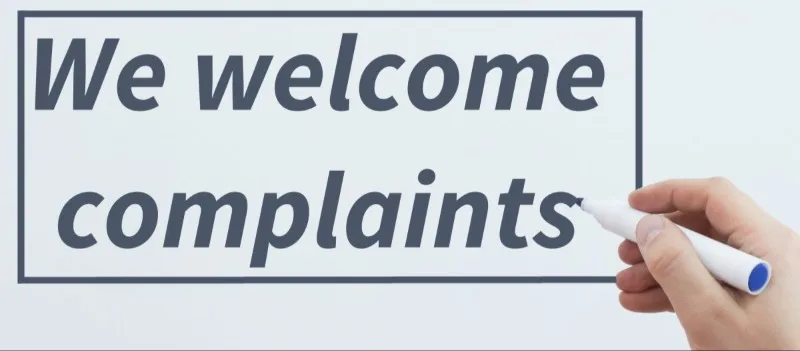
Patients often raise concerns with whoever answers the phone, works the reception desk or replies to online messages. A complaint can begin as a formal request, a passing remark, a distressed conversation, or a patient saying something feels unfair, unsafe or unresolved.
GP receptionists, care navigators, call handlers and frontline admin staff should give a calm, consistent first response: listen, acknowledge, protect any immediate care needs, record accurately and direct the concern to the correct complaints or feedback route.
Frontline staff are not expected to investigate complaints or determine fault. Your role is to recognise when dissatisfaction needs recording or escalation, avoid defensive reactions, and ensure the patient understands how their concern can be taken forward.
Why this matters
- Patients need to feel heard: a poor first response can make the issue worse.
- Current care still matters: complaints about access, prescriptions or results may include an urgent health need.
- Good records protect fairness: accurate notes help the complaints lead see what was raised and what happened next.
- Complaints can reveal risk: repeated concerns may indicate unsafe systems, unclear access routes or equality barriers.
- Staff need boundaries and support: patients have the right to complain, but staff should not be abused or left without support.
Role boundaries
- Do not investigate complaints unless that is your authorised role.
- Do not promise complaint outcomes, findings, compensation or disciplinary action.
- Do not ignore a current clinical, medicines, safeguarding or safety need because the patient is complaining.
- Do not discuss staff, other patients or confidential details in public areas.
- Use local complaints, incident, safeguarding and staff-safety procedures.
Good first-contact complaint handling means recognising dissatisfaction, responding calmly, separating immediate care needs from the complaints route, recording the key facts, explaining the next steps, and reporting repeated themes so the practice can learn.
Rate this page
Sign up now for a free account
Course tools & details

