

Recognising hazardous substances, labels, and safety data sheets
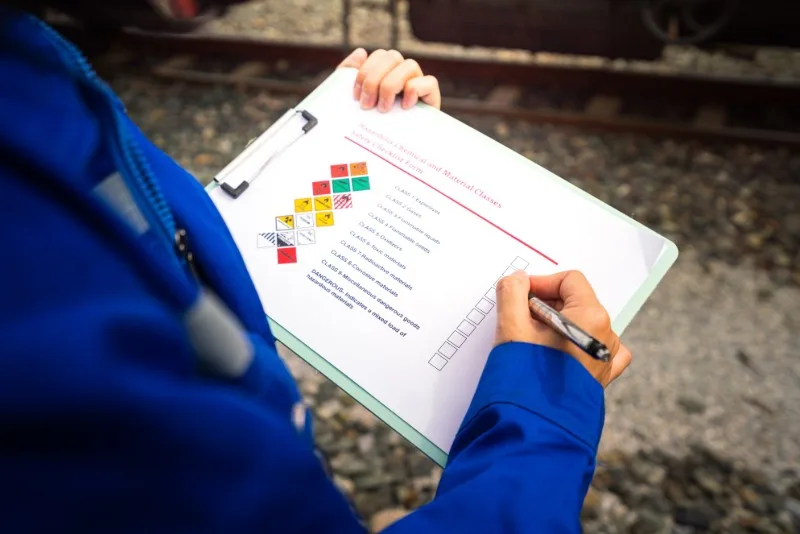
A safe response begins with identifying the substance, recognising its hazards, and knowing where the official information is kept. Product labels and safety data sheets are essential references but do not replace local COSHH assessments or training.
Reading labels properly
Labels help staff spot higher-risk products, understand the hazards, and follow key precautions. Typical label elements include warning words, pictograms, handling and storage instructions, and emergency actions.
- Do not ignore the label: familiar products can have specific dilution or handling instructions.
- Do not decant into unlabelled containers: if a substance is transferred, local procedures for identification and labelling must be followed.
- Do not mix products unless local procedure says you can: mixing cleaning chemicals may create additional hazards.
- Do not assume "domestic" means harmless: common cleaning products can irritate the skin, eyes or airways, or be dangerous if mixed or misused.
What safety data sheets are for
Safety data sheets (SDS) set out the hazards, handling, storage and emergency measures for a chemical. Staff who work with hazardous substances should know how to access the relevant SDS in their workplace.
An SDS is not the same as a COSHH risk assessment. It provides information for assessing risk, but the pharmacy must apply that information to its own tasks, people, environment and controls.
What front-line staff need to know
- Know where local COSHH information is kept: this might be a file, digital system or local SOP arrangement.
- Ask if the substance is unclear: do not use unknown or unlabelled products.
- Use products only as intended: follow local dilution, storage and handling instructions, not personal habit.
- Escalate damaged or missing labelling: unclear containers are a safety hazard and must be reported.
Labels and SDSs are important but not sufficient on their own. Staff need local instruction, clear storage, and a practical understanding of what the COSHH assessment requires for the tasks they perform.
Ask Dr. Aiden
Rate this page
Sign up now for a free account
Course tools & details

