

Creating a Deaf-Friendly Dental Environment
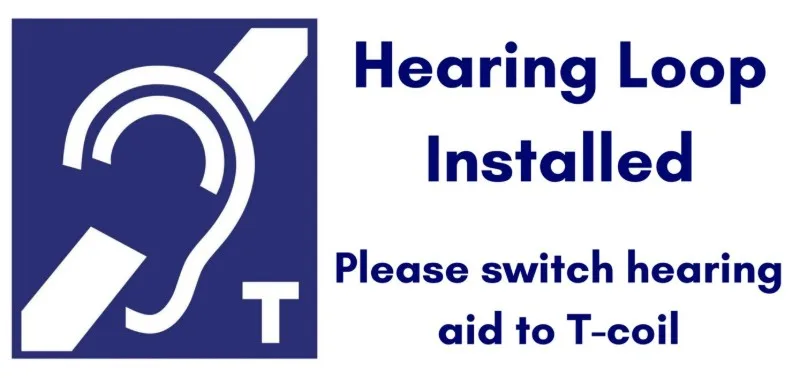
A Deaf-friendly environment relies on practical details. Patients need to know when they are being called, where to wait, who is speaking, what will happen during their appointment, and how to request help. The waiting room, reception desk, surgery, decontamination areas, screens, doorways, and appointment reminders all affect how easily someone can communicate.
Dental nurses often become used to local barriers. Calling a name from behind a screen can fail. A television without captions excludes viewers. A door buzzer, shouting, or a telephone-only booking system can cause unnecessary anxiety. A hearing loop can help, but only if it is installed, signed, tested, and staff know how to use it.
Deaf-friendly practice features
- Clear visual calling systems, or staff who approach the patient directly.
- Good lighting where conversations take place.
- Low background noise during important discussions.
- Captioned videos or written alternatives for waiting-room information.
- Accessible appointment reminders and contact options.
- Staff who know where hearing loops work and how to book interpreters.
Some adjustments benefit many patients, not only those who are Deaf or hard of hearing. Clear signage, written aftercare, reduced noise, visual treatment plans, and plain language also help people with anxiety, neurodivergence, learning disabilities, limited English, or low health literacy.
A Deaf-friendly environment is not a poster on the wall. It is a set of practical systems that help patients know what is happening and take part in their own care.
Ask Dr. Aiden
Rate this page
Sign up now for a free account
Course tools & details

