

Records, Handover, and Speaking Up
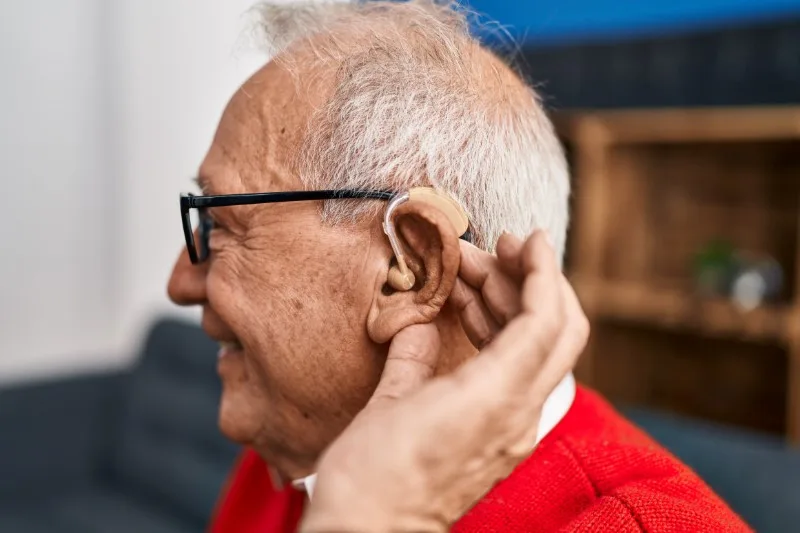
Clear records prevent patients having to repeat their communication needs at every appointment. Records and handovers should flag requirements such as a BSL interpreter, inability to use the telephone, preference for lip-reading with visible faces, or a need for written aftercare so the team can arrange support before the patient arrives.
Dental nurses should keep notes factual, respectful, and specific. Avoid vague phrases like "Patient difficult to communicate with". More useful entries are: "Patient uses BSL; interpreter required for consent discussions", "Patient prefers SMS contact", or "Patient lip-reads; face the patient when speaking and provide written aftercare."
What to record or hand over
- The patient's preferred communication method.
- Interpreter needs and whether one was booked or used.
- Accessible contact method, such as SMS or email.
- Helpful adjustments such as visual calling, written key points, or extra time.
- Any communication barrier that affected consent, aftercare, attendance, or distress.
Speaking up can feel difficult, particularly where a dentist or practice owner has more authority. You do not need to be confrontational. Use patient-focused language: "I am concerned the patient may not have understood", "Can we check interpreter needs before we start?", or "The notes state they cannot use the phone - shall we contact them another way?"
Clear records and respectful speaking up make Deaf awareness practical and keep care safer and repeatable.
Ask Dr. Aiden
Rate this page
Sign up now for a free account
Course tools & details

