

Hearing aids, assistive listening, and preventing avoidable loss or damage
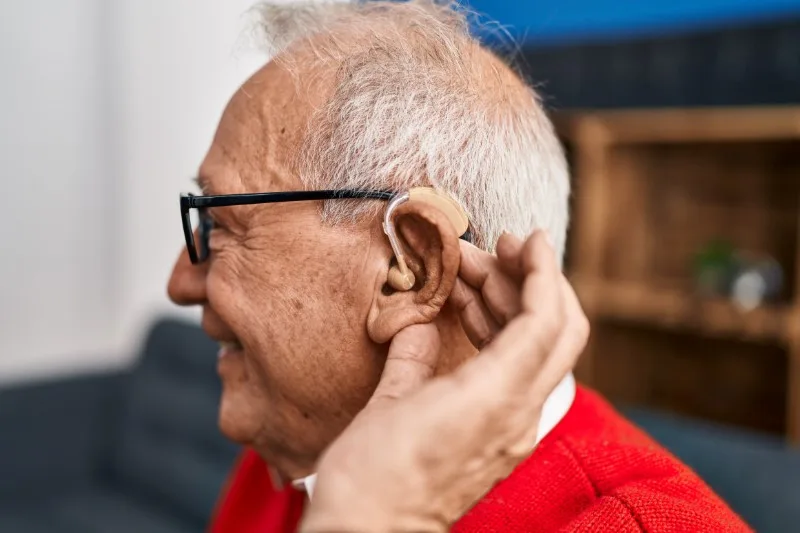
Not every deaf or hard of hearing person uses a hearing aid, and devices vary in style and care needs. Care staff do not need audiology qualifications, but they should recognise common types, support basic routines, and help prevent loss or damage.
Common hearing-aid types and devices
- Behind-the-ear (BTE): the commonest NHS style, with the main unit behind the ear connected to a mould or soft tip.
- Receiver-in-the-ear (RITE) or open-fit styles: a smaller behind-the-ear unit connected by a thin wire or tube to the ear canal.
- In-the-ear and in-the-canal styles: smaller devices that sit partly or fully in the ear and may be harder to handle.
- Body-worn hearing aids: less common, but useful for some people with severe hearing loss or dexterity problems.
- Implants: cochlear implants or bone-anchored systems are different from ordinary hearing aids and should not be treated as if they are the same device.
Some devices use disposable batteries, others are rechargeable. Residents may wear one aid or two; paired aids are often needed for better speech understanding and sound localisation. Staff should know whether a resident usually wears aids all day, when they remove them, how they are stored, and the local routine for charging or replacing batteries.
Basic hearing-aid care for care staff
- Keep them safe and labelled: use the resident's case or a named container, not a tissue on a bedside table.
- Protect them from water and damage: remove before showering or hair washing if required, and store them securely straight away.
- Check before bedding or laundry goes out: hearing aids can be lost in pillowcases, bedding, nightwear, continence pads and laundry bags.
- Notice problems early: dead batteries, blocked tubing, incorrect insertion and wax can make aids sound weak or whistle.
- Follow local or audiology instructions: some aids need simple daily wiping, some tubes or domes need periodic replacement, and ear moulds must not be cleaned in the wrong way.
Hearing aids are not small optional extras. For many residents they are communication aids, safety aids and independence aids, and they must be handled accordingly.
Ask Dr. Aiden
Rate this page
Sign up now for a free account
Course tools & details

