

Children, adults at risk and overlapping safeguarding concerns
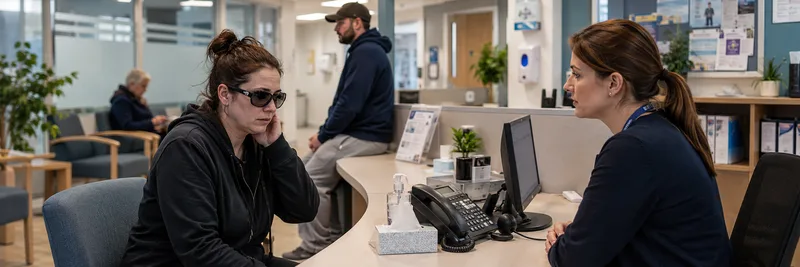
Domestic abuse can coincide with child safeguarding, adult safeguarding, pregnancy risk, mental health problems, substance use, homelessness, exploitation, honour-based abuse, forced marriage and modern slavery.
Think beyond the presenting request
A contact may begin as a contraception query, a medication issue, a mental health appointment, a missed child immunisation, a housing letter, a safeguarding question, or a change of phone number. Domestic abuse can be the underlying cause.
Reception staff should not try to form a full safeguarding assessment. They should note signs that suggest wider risk and pass those details to staff who can assess and act.
Children and young people
Children can be harmed by living with domestic abuse even without physical injury. Concerns may need child safeguarding review, particularly where children are present during incidents, used to control the adult victim, missing appointments, or showing distress.
Why is domestic abuse a safeguarding and child protection issue?
- Children in the home: note if the patient mentions children, pregnancy or childcare pressure.
- Young people: be alert to coercive relationships, sexual exploitation, online control or forced marriage.
- Child health access: missed immunisations, health visitor contacts or appointments may form part of a pattern.
Adults at risk and dependency
Adults with care and support needs may depend on the person causing harm for transport, money, medicines, communication or daily care. A controlling partner, relative or carer may also seek information from the practice.
When an adult cannot protect themselves because of care and support needs, adult safeguarding processes may be required alongside domestic abuse support.
Domestic abuse rarely affects only one issue; safeguarding routes may need to protect children, adults and safe communication at the same time.
Ask Dr. Aiden
Rate this page
Sign up now for a free account
Course tools & details

