
Infection Prevention, Cleaning and Body Fluid Spill Response in Children's Homes

Practical hygiene, safer cleaning and clearer escalation around illness and exposure

  • Reputation

    No token earned yet.

    Reach 50 points to earn the Peridot (Trainee Level).

  • CPD Certificates

    Certificates

    You have CPD Certificates for 0 courses.

  • Exam Cup

    No cup earned yet.

    Average at least 80% in exams to earn the Bronze Cup.

Launch offer: Certificates are currently free when you create a free account and log in. Log in for free access

Laundry, waste, body fluid spills and sharps
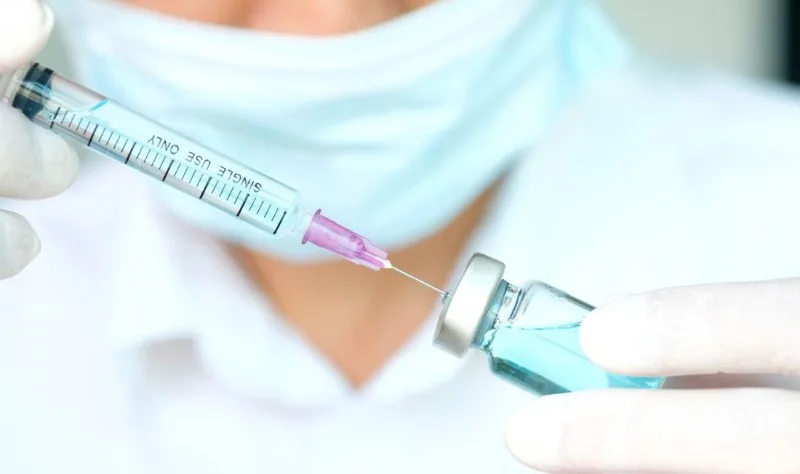
Gloved hands drawing vaccine into syringe

Soiled laundry, contaminated waste and body fluid spills must be handled calmly and to local procedures for bagging, isolating, cleaning and disposal. The aim is to contain contamination, protect skin and eyes, clean the area safely and avoid transferring contamination to other surfaces, children or staff.

Sharps and blood exposure incidents need prompt action. Some homes rarely face them; where sharps are present because of health needs or unsafe items brought into the home, staff should know the immediate actions, who to inform and where to get urgent occupational-health or emergency advice locally.

Safe Management of Blood and Body Fluid Spillages HD

Video: 5m 31s · Creator: TheNHSEducation Supportweb. YouTube Standard Licence.

This NHS Education for Scotland animation explains how to manage blood and body fluid spillages in acute, community, care home and residential settings. It states that blood, faeces, vomit, sputum and other body fluids can carry blood-borne viruses such as hepatitis B and other microorganisms, so spillages should be cleaned and contaminated surfaces disinfected as soon as possible.

The animation presents five steps: cordon off the spillage, assess the type of spillage, collect the correct equipment, protect yourself, and disinfect and clean. In a hospital example, nurse Nura finds a small blood spill after a patient's needle becomes dislodged. She moves the patient away, puts wet-floor notices around the area, checks the algorithm, gathers chlorine-releasing granules, gloves, apron, paper towels, detergent and a healthcare waste bag, then disinfects, cleans, disposes of waste and performs hand hygiene.

A care home example shows Hardep finding a urine spill from a catheter bag. He places barriers around the spill, checks the algorithm and notes that chlorine-releasing agents should not be applied directly to urine because they can react and release chlorine gas. The examples show that the correct response depends on the type of fluid, the surface and the risk of splashing.

Was this video a good fit for this page?

Safer handling principles

  • Treat body fluids as exposure risks.
  • Use the home's approved spill response process.
  • Handle soiled laundry and waste carefully.
  • Report sharps or blood exposure straight away.
  • Get urgent follow-up advice when required.

Scenario

A member of staff gets a splash of blood to the face while helping after a fight and feels too flustered to tell anyone straight away.

What is the safer response?


Body fluid incidents are safer when the response is immediate, contained and followed by the right reporting and advice route.

Ask Dr. Aiden


Rate this page


Course tools & details Study tools, course details, quality and recommendations
Funding & COI Media Credits
