

Welcome
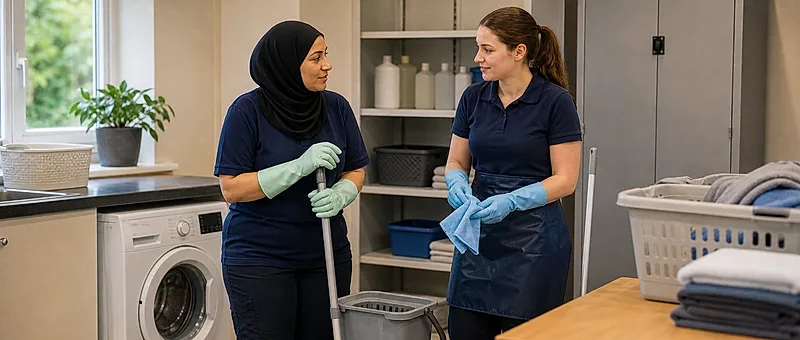
Children's homes are shared living environments where infections can spread quickly through touch, close contact, shared bathrooms, poor hand hygiene, delayed cleaning and contact with body fluids. Staff do not need clinical qualifications, but they do need clear, practical routines that reduce transmission, ensure safe spill response and help the home recognise when patterns of illness are worsening.
This course is for residential child care workers, senior residential workers, waking night staff, team leaders, deputy managers, registered managers and other staff in children's homes and residential child care settings. It is a practical frontline course and does not replace local infection-control procedures, public-health advice, occupational-health guidance or emergency medical advice.
The course draws mainly on current England public-health and GOV.UK guidance together with HSE exposure guidance. The practical hygiene principles apply across the UK, but public-health contacts, exclusion arrangements and outbreak procedures differ in Wales, Scotland and Northern Ireland, so staff must follow local policy and local procedures in their nation.
Why This Course Matters
- Shared homes spread germs easily: a single weak routine can affect many people.
- Hands and surfaces matter: brief lapses can transfer infection around the home.
- Body fluid incidents need calm structure: unclear actions increase exposure risk.
- Outbreak patterns matter: repeated illness may need more than routine cleaning and local public-health input.
- Stock and training matter: policies are ineffective if gloves, disinfectant or trained staff are missing.
A Simple Infection-Control Spine
- Clean hands at the right times.
- Use the right product for the right task.
- Treat spills and body fluids as exposure risks.
- Report symptoms and linked illness patterns early.
- Keep supplies, routines and records reliable.
Rate this page
Sign up now for a free account
Course tools & details

