
Infection Prevention, Cleaning and Body Fluid Spill Response in Children's Homes

Practical hygiene, safer cleaning and clearer escalation around illness and exposure

  • Reputation

    No token earned yet.

    Reach 50 points to earn the Peridot (Trainee Level).

  • CPD Certificates

    Certificates

    You have CPD Certificates for 0 courses.

  • Exam Cup

    No cup earned yet.

    Average at least 80% in exams to earn the Bronze Cup.

Launch offer: Certificates are currently free when you create a free account and log in. Log in for free access

Stock, training and manager oversight
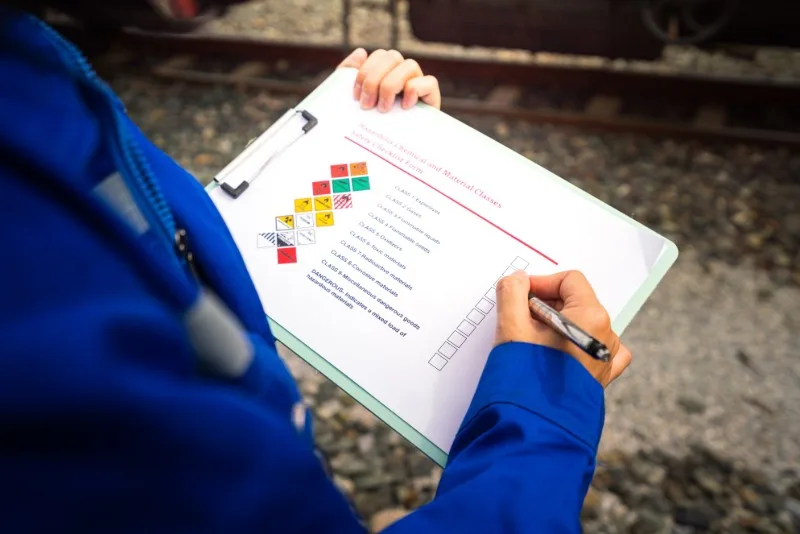
Person holding safety data sheet on clipboard

Infection prevention depends on reliable supplies, clear processes and staff who have practised the response. Homes must keep sufficient soap, gloves, cleaning products, waste bags, paper roll, laundry routes, incident forms and straightforward instructions for routine cleaning and unexpected spills. Staff also need to know quickly where to find the process during a busy shift.

Managers should check stock levels, induction and training, audit results and incident reviews to confirm the home learns from exposure events and illness clusters. Practical, simple systems make safe practice more likely than relying on memory or goodwill.

The Hazards of Cleaning Chemicals

Video: 1m 47s · Creator: Ansell. YouTube Standard Licence.

This Ansell video explains the injury and illness risks from routine exposure to cleaning chemicals. It groups products into detergents, sanitisers, disinfectants and sterilising agents, and describes routes of exposure: inhalation, skin absorption, ingestion and injection.

Employers are responsible for reducing those risks by using safer products, providing appropriate PPE, giving clear instructions and enforcing safe working practices. The examples focus on cleaning professionals, but the message applies to anyone using everyday cleaning chemicals without proper controls.

Was this video a good fit for this page?

What stronger oversight looks like

  • Essential supplies are checked and replaced reliably.
  • Spill and exposure procedures are easy to find.
  • Induction covers real tasks, not only policy.
  • Managers review illness and exposure patterns.
  • Homes adapt practice when routines are not holding up.

Scenario

A worker finds there are no suitable gloves or cleaning products left in the spill cupboard and says they will improvise with whatever is nearby.

Why is that a management issue as well as a frontline one?


Infection control becomes real when the home makes safe practice easy to do even on a busy, messy or under-pressure shift.

Ask Dr. Aiden


Rate this page


Course tools & details Study tools, course details, quality and recommendations
Funding & COI Media Credits
