

Hand hygiene, respiratory hygiene, and PPE
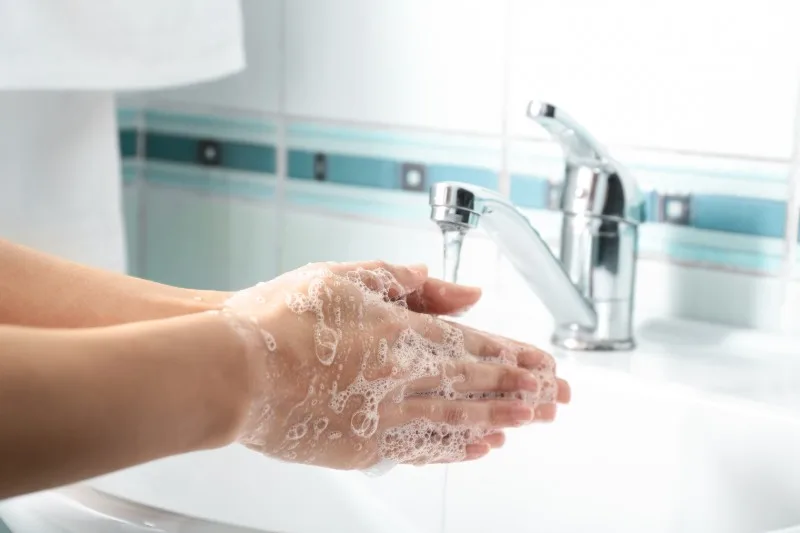
Hand hygiene is one of the most effective ways to prevent the spread of infection. The DHSC quick guide for care workers advises cleaning hands before and after contact with the person you support, after exposure to blood or body fluids, before handling food or drink, and before any clean or aseptic task. Support residents to keep their hands clean where feasible.
How to wash your hands | NHS
Key hand hygiene points
- Use liquid soap and warm running water when hands are visibly dirty or there has been risk of exposure to blood or body fluids.
- Use alcohol-based hand rub only when hands are not visibly dirty and there has been no risk of blood or body fluid exposure.
- Use soap and water for vomiting or diarrhoea care because alcohol gel does not reliably remove some gastrointestinal pathogens.
- Dry hands properly as wet hands transfer germs more easily and frequent wet work can damage skin.
Respiratory hygiene and PPE
Respiratory hygiene means covering coughs and sneezes, disposing of tissues promptly, and cleaning hands after contact with respiratory secretions. Support residents to do the same when possible. Choose PPE to match the task and the risk. Gloves and aprons are used when contact with blood, body fluids, mucous membranes, or non-intact skin is expected. Face masks and eye protection are needed for specific respiratory risks or where splashing may occur.
PPE does not replace hand hygiene. Clean hands before putting PPE on and after taking it off. Do not wear the same disposable items across unrelated tasks.
Hand hygiene, respiratory hygiene, and PPE must work together. Soap and water remain essential, especially after body fluid exposure and when vomiting or diarrhoea are involved.
Ask Dr. Aiden
Rate this page
Sign up now for a free account
Course tools & details

