

Standard precautions in everyday care
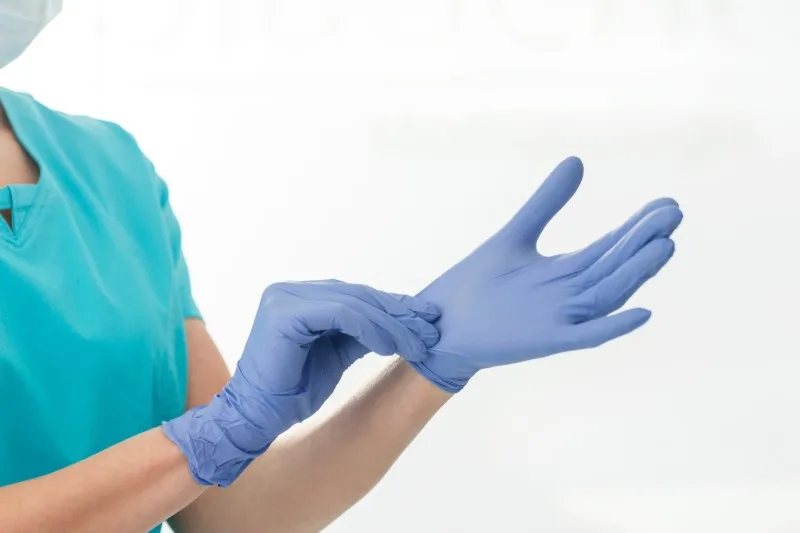
Standard infection control precautions are the everyday measures used for everyone, all the time, because staff cannot assume they know who is infectious. In residential care these precautions apply during personal care, toileting support, moving and handling, laundry, cleaning, food and drink support, equipment use, and contact with the environment.
What standard precautions include
- Hand hygiene
- Respiratory and cough hygiene
- Appropriate PPE
- Safe management of care equipment
- Safe management of the care environment
- Safe handling of linen, waste, and spillages
- Recognition and prompt response when people may be infectious
Risk assessment matters
Standard precautions are not about wearing all available PPE for every task. They are about choosing the right measures for the task and the level of risk. For example, gloves and aprons are appropriate for personal care or contact with bodily fluids, while other tasks rely mainly on hand hygiene and environmental cleaning.
Frontline staff should also notice when systems fail, such as empty soap dispensers, unclear cleaning responsibilities, damaged equipment, poor storage, or uncertainty about which product to use. Infection prevention and control is both an individual and an organisational safety issue.
Standard precautions should be used all the time, not only when infection is confirmed. They are the everyday foundation of safer residential care.
Ask Dr. Aiden
Rate this page
Sign up now for a free account
Course tools & details

