

Emergency Readiness and the Dental Nurse Role
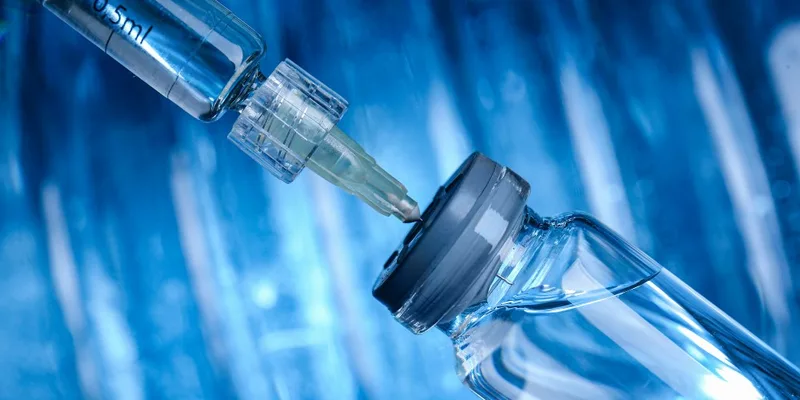
Emergency readiness is a shared clinical responsibility. Dental nurses are registered professionals who often lead early recognition, call 999, fetch oxygen and emergency drugs, prepare equipment, record times and observations, and support the patient while the team responds.
Safe practice rehearses who will do each task. When several staff are present, one trained person should coordinate while others carry out named roles. If the dentist is absent or not the best-placed responder, any trained registrant may need to take charge until the situation is handed over.
Dental nurse actions in the first response
- Stop treatment and call for help.
- Assess danger, response, airway, breathing, circulation, and disability.
- Bring the emergency drugs, oxygen, AED, spacer, suction, and glucose meter as needed.
- Call 999 or clearly delegate the call.
- Record symptoms, observations, times, drugs, oxygen, and handover details.
- Speak up if the patient is not recovering or equipment is missing.
Current SDCEP dental prescribing guidance lists the core emergency drugs as adrenaline 1:1000, aspirin, glucagon, GTN spray, midazolam oromucosal solution, oral glucose, oxygen, and salbutamol inhaler. Some practices also keep antihistamines for mild allergic reactions. Dental nurses should know where these items are stored, how checks are carried out, and who is authorised to use them.
Emergency readiness is live patient safety. If oxygen, drugs, spacers, glucose testing, AED access, or role allocation are not reliable, dental nurses should raise the issue before care continues.
Ask Dr. Aiden
Rate this page
Sign up now for a free account
Course tools & details

