

Welcome
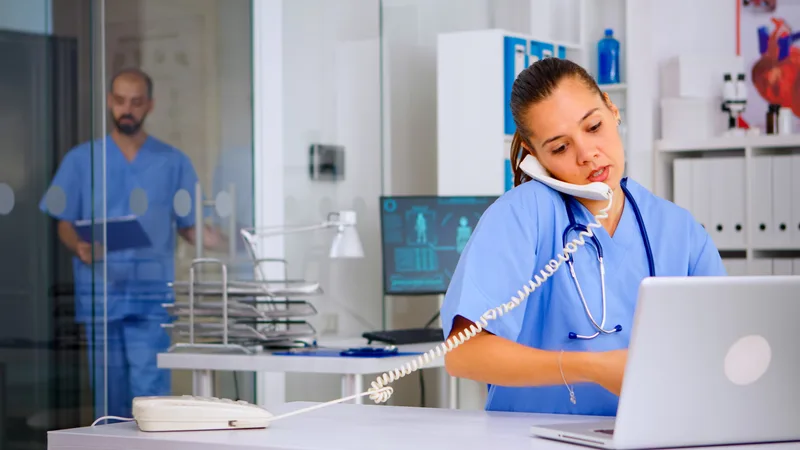
Recognising deterioration at first contact is a safety skill for GP receptionists, care navigators, call handlers and frontline admin staff. A patient may sound, look or be described as getting worse before any clinician has assessed them.
Safe first-contact handling does not require making a diagnosis. It requires seeing when a request has moved beyond routine booking or admin, recording what was said, and following the local escalation process promptly.
Deterioration can be reported by the patient, a relative, a carer, a care worker, an online request or someone at the reception desk. The wording may be brief or uncertain, but worsening illness should not be left in a routine queue.
Why this matters
- Deterioration can be subtle: "not themselves", "getting worse" or "too weak to stand" may indicate serious risk.
- Change over time matters: someone who was walking yesterday but cannot get out of bed today needs prompt attention.
- Callers may not use clinical terms: family members and carers often describe behaviour, colour, breathing, urine, drinking or alertness.
- Reception staff need clear boundaries: the role is to recognise and escalate, not to diagnose or clinically triage.
- Good records support safe action: exact words, times, locations and handover details help the next person act without delay.
A simple safety spine
- Notice the change
- Stay within role
- Use the local route
- Record the facts
- Hand over clearly
- Close the loop
Recognising deterioration at first contact helps staff identify possible worsening illness from reception, phone or online contact, ask factual questions without making clinical judgements, follow local escalation routes, record and hand over safely, and keep urgent symptoms out of routine workflow.
Rate this page
Sign up now for a free account
Course tools & details

