

Daily notes, chronology and significant events
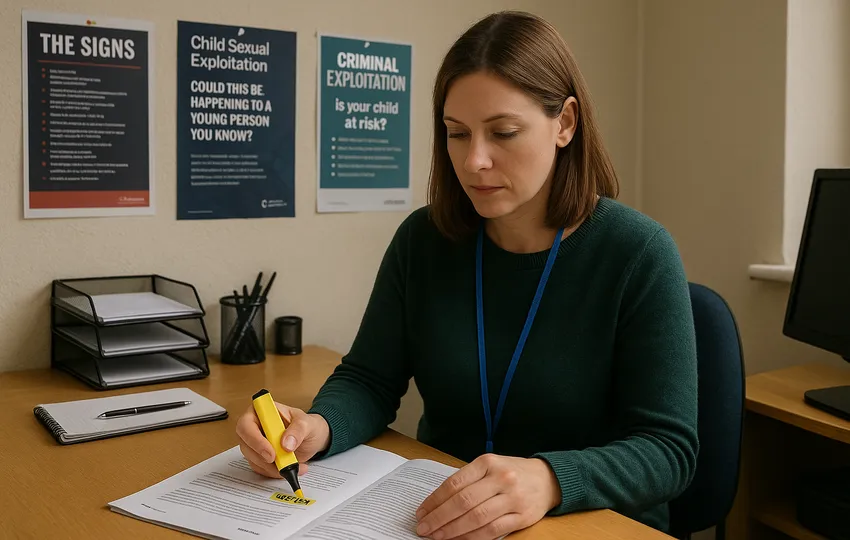
Daily notes create the running record of a child's experience in the home. Small changes in sleep, mood, appetite, contact reactions, school engagement, friendships, missing items or online behaviour can seem minor in a single entry but gain importance when they recur across shifts or different staff members' records.
Chronology makes those patterns visible. Records that show what happened, when it happened and what followed are easier for staff and managers to act on than vague, shift-long summaries.
Useful chronology questions
- What happened first?
- What changed from baseline?
- What happened next?
- Who saw or heard it?
- Why might this matter if it happens again?
Chronology turns isolated notes into a clearer account of the child's experience and potential risk.
Ask Dr. Aiden
Rate this page
Sign up now for a free account
Course tools & details

