
Recording Reception Notes and Patient Contact Accurately for GP Receptionists and Care Navigators

Factual, proportionate records that support safe GP practice contacts

  • Reputation

    No token earned yet.

    Reach 50 points to earn the Peridot (Trainee Level).

  • CPD Certificates

    Certificates

    You have CPD Certificates for 0 courses.

  • Exam Cup

    No cup earned yet.

    Average at least 80% in exams to earn the Bronze Cup.

Launch offer: Certificates are currently free when you create a free account and log in. Log in for free access

Practice systems, audit and learning
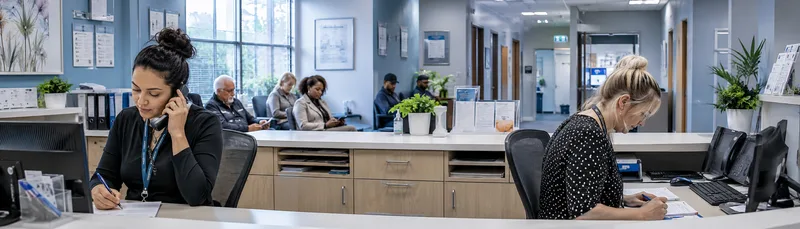
Two GP receptionists working at busy desk

Recording is easier when the practice system supports it. Staff need clear templates, training, time for complex entries and a culture that treats near misses as opportunities to learn.

Systems that help

Good systems reduce reliance on memory and make it clear where to record call notes, safe-contact information, failed call-backs, third-party reports, complaints, safeguarding concerns and urgent escalations.

Templates can guide consistent entries but must not force vague or misleading wording. Staff should know when to use free text to record exact words and when to use a structured code or task to support workflow.

Review repeated problems

  • Notes entered on the wrong patient.
  • Tasks closed without a clear record of what was done.
  • Safe-contact instructions omitted.
  • Online requests copied into records without review.
  • Patients repeatedly correcting demographic or appointment details.

Support staff after difficult contacts

Mental load and stress after an abusive call, safeguarding disclosure or urgent safety incident can make recording harder. Staff may need a short pause, supervisor support or a debrief so they can make a clear note before returning to other work.

The reasonable adjustment digital flag in general practice

Video: 1m 44s · Creator: NHS England. YouTube Standard Licence.

This NHS England video shows a clinician noticing that reasonable adjustments are not recorded for a patient. Reasonable adjustments are changes to make services easier to access.

Examples include a longer appointment or allowing a carer to attend. The patient mentions that easy-read documents and larger font would help because he has a learning disability and visual impairment.

The clinician asks permission to record the adjustment, explains that a reasonable adjustment digital flag can share the information with health and care staff before future appointments, and invites the patient to add more adjustments later. An easy-read leaflet is offered to help the patient consider other adjustments.

Was this video a good fit for this page?

Good recording is a system responsibility as well as an individual skill.

Scenario

A review finds several tasks marked "done" without saying what was done or who was informed.

What should the practice learn?


Ask Dr. Aiden


Rate this page


Course tools & details Study tools, course details, quality and recommendations
Funding & COI Media Credits
