
Recording Reception Notes and Patient Contact Accurately for GP Receptionists and Care Navigators

Factual, proportionate records that support safe GP practice contacts

  • Reputation

    No token earned yet.

    Reach 50 points to earn the Peridot (Trainee Level).

  • CPD Certificates

    Certificates

    You have CPD Certificates for 0 courses.

  • Exam Cup

    No cup earned yet.

    Average at least 80% in exams to earn the Bronze Cup.

Launch offer: Certificates are currently free when you create a free account and log in. Log in for free access

Recording facts, not assumptions
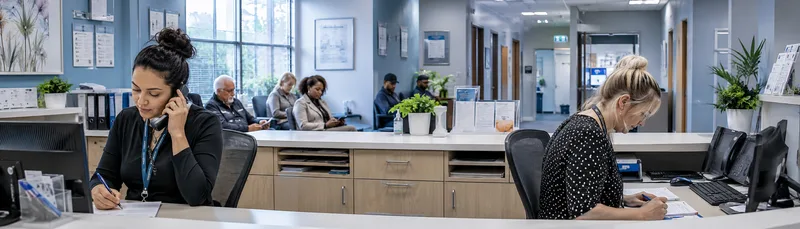
Two GP receptionists working at busy desk

Accurate notes distinguish what was said, what was observed, what was checked and what was done. They should avoid assumptions about motive, diagnosis, blame or character.

Use factual language

Factual language does not need to sound cold. It makes records clearer and safer. For example, "Patient said, 'I have chest pain and feel sweaty'" is more useful than "patient panicking". "Caller shouted and used abusive language after being told the GP was unavailable" is more useful than "caller was horrible".

When you add a concern or interpretation, record the facts that support it. For example, "safeguarding concern raised because patient whispered that partner checks phone and asked not to receive texts" explains why the issue mattered.

Avoid unsafe shorthand

  • Do not label: avoid words such as "difficult", "dramatic", "frequent flyer" or "attention seeking".
  • Do not diagnose: avoid writing that symptoms are "just anxiety" or "probably viral".
  • Do not blame: record behaviour and process facts, not personal judgements.
  • Do not tidy away risk: keep urgent or safeguarding wording visible to the right people.

Include source and status

Note who provided the information - the patient, a relative, a carer, an online form, a hospital letter, a pharmacy or another member of staff. If something is unconfirmed, record it as unconfirmed rather than as fact.

Data protection explained in three minutes

Video: 2m 54s · Creator: Information Commissioner's Office (ICO). YouTube Standard Licence.

This Information Commissioner's Office video explains data protection law for small organisations. The presenter notes most organisations collect personal data about people they deal with, such as customers, suppliers or employees.

The video sets out the basic duty: use personal data reasonably and protect it. It gives examples such as collecting a name and address to send a product, or an email address for service updates. It warns that misuse of personal data can cause harm, including identity theft, discrimination or physical harm.

The video also explains benefits of compliance: it builds trust, protects reputation, reduces unnecessary storage and helps in responding to requests. It advises there is no single template for compliance and points viewers to the ICO's data protection hub and helpline for tools and guidance.

Was this video a good fit for this page?

Good records make the source of information clear and avoid turning opinion into fact.

Scenario

A caller says their neighbour "is neglecting himself" because the curtains are closed. No one has spoken to the patient.

How should this be recorded?


Ask Dr. Aiden


Rate this page


Course tools & details Study tools, course details, quality and recommendations
Funding & COI Media Credits
