
Recording Reception Notes and Patient Contact Accurately for GP Receptionists and Care Navigators

Factual, proportionate records that support safe GP practice contacts

  • Reputation

    No token earned yet.

    Reach 50 points to earn the Peridot (Trainee Level).

  • CPD Certificates

    Certificates

    You have CPD Certificates for 0 courses.

  • Exam Cup

    No cup earned yet.

    Average at least 80% in exams to earn the Bronze Cup.

Launch offer: Certificates are currently free when you create a free account and log in. Log in for free access

Why reception notes matter
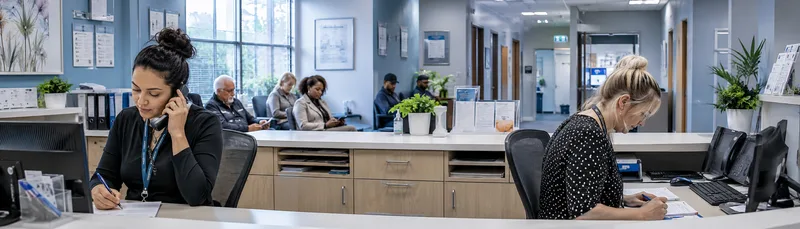
Two GP receptionists working at busy desk

Reception and care-navigation notes form part of the patient's care record. Even brief entries influence what the next clinician or receptionist understands, what action is taken and how safely the patient moves through the practice.

More than admin

A reception note may record a patient’s exact concern, a failed call-back, a safety instruction, a carer’s report, a complaint, a medicine request or a red-flag phrase. If that information is missing, vague or misleading, the next person may underestimate urgency or duplicate work.

Clear notes also protect staff by recording what was requested, what was said, which route was used and who accepted responsibility for the next step. That record is important for follow-up calls, complaints, incident reviews, safeguarding and shift handovers.

What good notes do

  • Preserve meaning: key words are recorded rather than softened into vague labels.
  • Support continuity: another staff member can understand what happened and why.
  • Show ownership: the next action, task or escalation route is clear.
  • Reduce repeat contact: patients do not have to explain the same issue again.
  • Protect confidentiality: sensitive details are kept in the appropriate records.

Why Documentation Matters – Catherine Gaulton

Video: 3m 37s · Creator: HIROC. YouTube Standard Licence.

This HIROC video features Catherine Gaulton explaining why healthcare documentation matters. With experience as a nurse and lawyer, she says records should make clear what happened and what the next person needs to know to continue care safely.

The video notes that good documentation supports quality review and can have legal value, but its primary role is communication for care. If a record is sufficient for the next colleague to understand what happened and what matters for the patient, it will usually stand up in other contexts too.

Gaulton’s practical advice is to tell the patient’s story succinctly. Notes should avoid long narratives that no one has time to read, while still capturing what was happening, what mattered and what was done.

Was this video a good fit for this page?

A useful reception note helps the next person act safely without guessing what the patient meant.

Scenario

A patient says, "I cannot get through, and now I have run out of my heart tablets." The note entered says only "patient unhappy about phones".

What is wrong with the note?


Ask Dr. Aiden


Rate this page


Course tools & details Study tools, course details, quality and recommendations
Funding & COI Media Credits
