

Responding calmly and taking the concern seriously
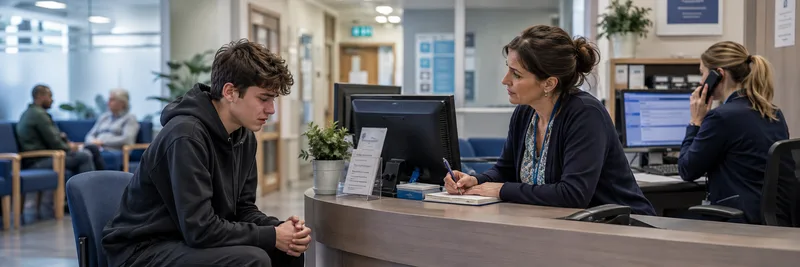
A calm, serious response helps keep the person connected while urgent help is organised. The role of reception staff is not to provide counselling but to show the concern has been heard and to follow the practice's urgent process.
Use clear, non-judgemental language
People who have self-harmed or feel suicidal may expect shock, blame or disbelief. A brief, respectful response reduces shame and makes it more likely they will stay on the call or at the desk while escalation occurs.
How do I approach a conversation with someone who might be struggling with suicidal thoughts?
- "I am glad you told us."
- "I need to get urgent help with this."
- "Are you in immediate danger right now?" where this is part of local protocol.
- "Please stay with me while I follow our urgent process."
- "I cannot manage this alone, so I am going to involve the right person now."
Keep the contact connected where possible
If the person is on the phone, local procedure may ask staff to keep the call open while a clinician, manager or emergency service is alerted. If the person is at the desk, protect privacy where feasible but avoid delaying escalation.
Do not argue about whether the person "really means it", challenge them for contacting reception, or promise that everything will be fine. Reassurance without an urgent plan can be unsafe.
Ask only what the protocol requires
Local scripts may ask reception staff to check whether the person is in immediate danger now, whether they have harmed themselves, where they are, and how to call back if the line drops. These factual safety questions help route urgent help and do not make the receptionist responsible for clinical assessment.
Compassionate response does not mean managing the risk yourself; it means staying calm while escalating.
Ask Dr. Aiden
Rate this page
Sign up now for a free account
Course tools & details

