

Immediate response after self-harm, disclosure or concern
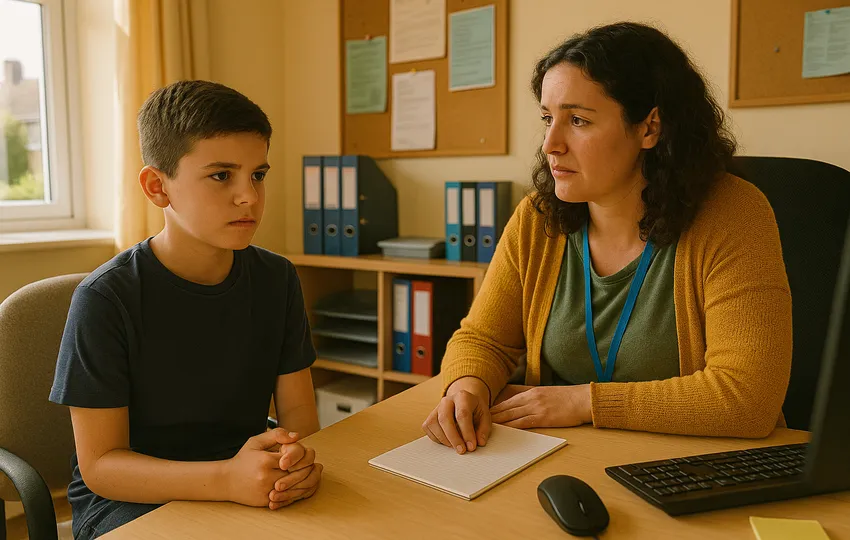
After self-harm, a disclosure or a serious concern, staff should slow down and focus on immediate safety. Check the child, the injury and the environment, and decide quickly whether first aid, urgent clinical help or emergency services are required. Follow the home's procedure and do not try to manage the whole incident alone.
NICE advises compassionate, non-judgemental care for people who have self-harmed. In a children's home this means using calm, clear language, offering practical support and deciding promptly whether increased supervision or clinical involvement is needed.
How to support someone who is self-harming - Samaritans
Video: 0m 59s · Creator: Samaritans. YouTube Standard Licence.
Was this video a good fit for this page?
Immediate response priorities
- Stay calm: your tone influences whether the child stays engaged.
- Check injury and danger: assess bleeding, overdose, ligature use, breathing, consciousness and access to further means.
- Get the right help: provide first aid or arrange urgent medical help or emergency services according to local procedure.
- Do not argue for explanations: prioritise safety over extracting a full account.
- Do not punish the incident: sanctions must not replace safeguarding or health responses.
- Record as you go: note times, actions taken, who was told and what was observed.
In the first minutes, safe care is usually practical, calm and organised rather than emotionally intense.
Ask Dr. Aiden
Rate this page
Sign up now for a free account
Course tools & details

