

Online content, peer influence and reducing access to means
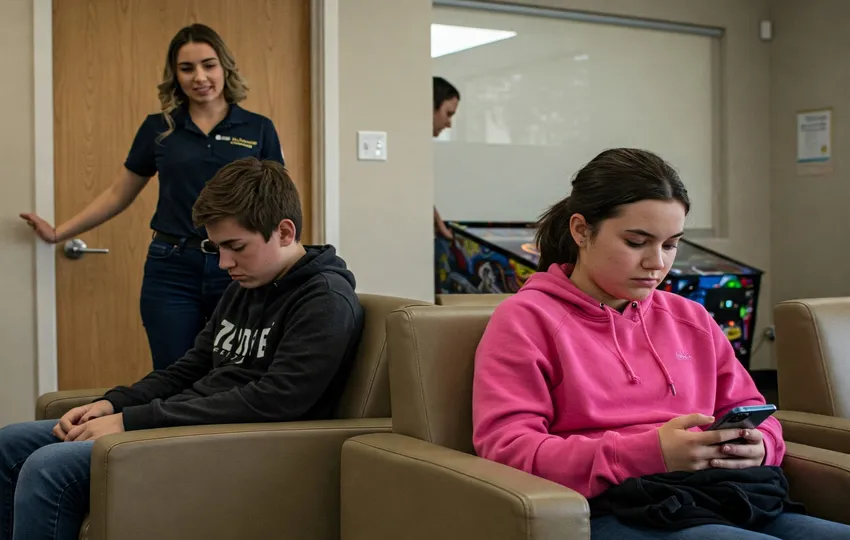
Self-harm risk can be affected by online material, peer behaviour and what a child can access in their environment. Young people may view or share images, swap methods, encourage one another or become involved in imitative behaviour. Staff should recognise these pressures, especially when several residents are struggling at the same time.
Environmental safety matters. Under local policy, homes should consider access to medication, sharps, cords, lighters, chemicals, plastic bags, bedding arrangements and other potential means. Decisions about restrictions should be planned, recorded and reviewed, not improvised or kept secret on shift.
What safer practice looks like
- Notice online change: signs such as harmful searches, image sharing or sudden secrecy are important.
- Think about contagion: a single incident can influence others in the home.
- Reduce access to means: follow the child's plan and local policy when removing or securing items.
- Keep restrictions proportionate: aim for safety while avoiding unnecessary control.
- Review the environment: repeated incidents involving the same place or object give useful information.
- Share patterns early: do not leave contagion risk as informal shift knowledge.
When online pressure and access to means come together, risk can escalate faster than staff expect.
Ask Dr. Aiden
Rate this page
Sign up now for a free account
Course tools & details

