

Appointments, digital routes and predictable access
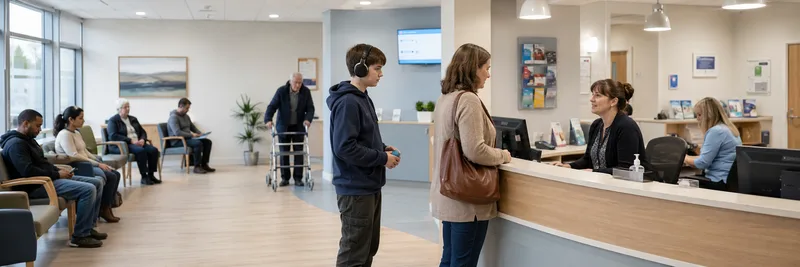
Autistic and neurodivergent patients may find some access routes usable and others impossible. Predictability, written information and clear steps often matter more than speed.
Do not assume digital is easier
Some patients prefer online forms because they can write rather than speak. Others find forms overwhelming, ambiguous or inaccessible. A phone call may be difficult for one patient and the best option for another.
Ask whether the route works for the patient. If the only available route is not usable, offer assisted access or escalate under local policy. This is part of safe access, not special treatment.
Make access predictable
- Give clear appointment times or time windows where possible.
- Explain what information the patient should prepare.
- Confirm whether the appointment is by phone, video or face-to-face.
- Record preferences and barriers for future visits.
Reasonable adjustments for autistic patients
An access route is inclusive only when the patient can understand and use it.
The key reception question is not whether the patient is "autistic enough" to need support; it is whether the current process is working. If it is not, record the access barrier and route it for review.
Processes that seem obvious to staff may be unclear to patients. If a patient asks specific questions about steps or timing, this is often a request for predictability rather than a challenge to staff.
Digital access should not be assumed easier because it avoids speaking. Long forms, unclear categories and unexpected timeouts can be major barriers for neurodivergent patients.
Ask Dr. Aiden
Rate this page
Sign up now for a free account
Course tools & details

