
Autism and Neurodiversity Awareness for GP Receptionists and Care Navigators

Clear, predictable and accessible first contact for neurodivergent patients

  • Reputation

    No token earned yet.

    Reach 50 points to earn the Peridot (Trainee Level).

  • CPD Certificates

    Certificates

    You have CPD Certificates for 0 courses.

  • Exam Cup

    No cup earned yet.

    Average at least 80% in exams to earn the Bronze Cup.

Launch offer: Certificates are currently free when you create a free account and log in. Log in for free access

Autism, neurodiversity and GP first contact
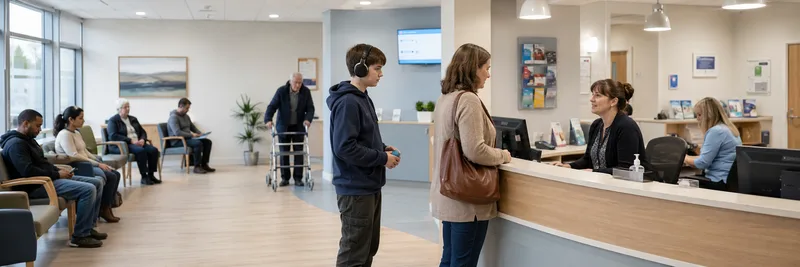
GP practice reception desk with seated waiting patients

Autistic and other neurodivergent patients may experience access to general practice differently. Barriers usually arise from communication, environment or processes that are unpredictable or hard to use, not from unwillingness to engage.

What may be different

Some autistic people prefer clear written instructions, need longer to process information, find phone calls difficult, become distressed by unpredictable waiting, or experience sensory overload in busy reception areas. Others may mask distress until they are overwhelmed.

Neurodiversity covers conditions such as ADHD, dyslexia and dyspraxia, alongside other cognitive or sensory differences. Needs vary between individuals, so staff should avoid assuming one adjustment will suit everyone.

What is Autism?

Video: 2m 42s · Creator: National Autistic Society. YouTube Standard Licence.

This National Autistic Society animation describes autism as a lifelong condition affecting communication and interaction. It notes there are about 700,000 autistic adults and children in the UK and highlights the range of individual strengths and challenges.

The video lists communication differences such as limited speech, slower processing, or difficulty interpreting facial expressions. It also covers repetitive behaviour or thinking, distress from unexpected change, and sensory overload from noise, smells, touch or bright lights.

These experiences can make the world feel frightening or hard to predict and may lead to meltdowns or shutdowns. The video ends by stressing that appropriate support reduces exclusion, employment barriers and mental health risks, and that services should adapt to work better for autistic people.

Was this video a good fit for this page?

Reception clues

  • The patient asks for information in writing or exact timings.
  • They struggle with open-ended questions or sudden changes.
  • They find noisy waiting areas difficult.
  • They repeatedly ask for the same process to be explained.

Accessible care starts with asking what helps this patient use this route safely.

The useful question is whether the current process works for the patient. If it does not, record the access barrier and route it for review.

Many autistic and neurodivergent people have been repeatedly misunderstood by services. A predictable, non-judgemental first contact increases the chance they will describe their needs and return for care.

For reception staff, neuroinclusive access often means making the implicit explicit. Tell patients what a process involves, how long a callback might take, and what happens if they miss a call.

Scenario

A patient says they cannot use the phone and need appointment instructions in writing.

What should reception staff do?


Ask Dr. Aiden


Rate this page


Course tools & details Study tools, course details, quality and recommendations
Funding & COI Media Credits
