
Autism Awareness for Dental Nurses

Communication, sensory adjustments, reasonable adjustments, sedation-aware support, and inclusive dental care for autistic patients

  • Reputation

    No token earned yet.

    Reach 50 points to earn the Peridot (Trainee Level).

  • CPD Certificates

    Certificates

    You have CPD Certificates for 0 courses.

  • Exam Cup

    No cup earned yet.

    Average at least 80% in exams to earn the Bronze Cup.

Launch offer: Certificates are currently free when you create a free account and log in. Log in for free access

Preparing the Practice and Appointment Pathway
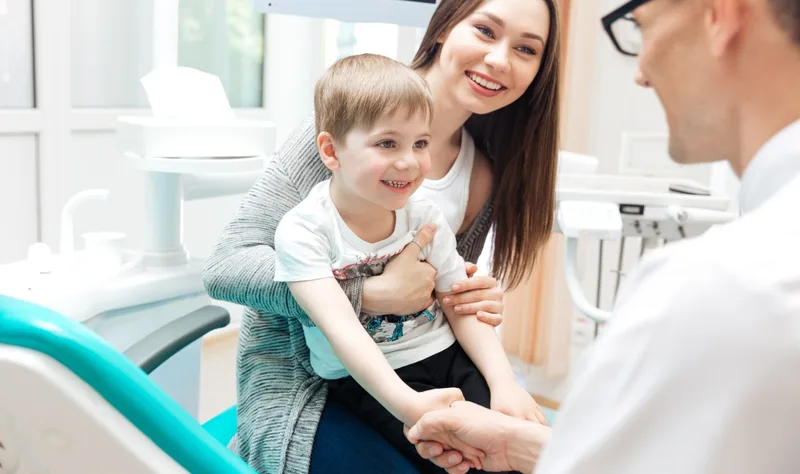
Mother holding young boy in dental chair

Preparation can be the difference between an appointment a patient can manage and one that becomes distressing. Dental nurses support good outcomes by collecting relevant information before the visit, helping reception staff, preparing the clinical area, checking sensory needs, and ensuring the dentist knows what has been agreed.

A Social Story: Going 2 the Dentist

Video: 2m 50s · Creator: A.T. Still University. YouTube Standard Licence.

This A.T. Still University video uses a social story to show how clear, predictable steps help a patient understand the stages of a dental visit.

For dental nurses, preparation should be practical: use pictures, short written steps, familiarisation visits, clear timings and a predictable sequence. These concrete measures reduce anxiety more effectively than general reassurance such as "it will be fine".

Was this video a good fit for this page?

Useful pre-appointment questions

  • What helps the patient cope with waiting, noise, light, touch, taste, or smell?
  • How does the patient prefer to communicate?
  • Would a first or quiet appointment help?
  • Can the patient wait outside, in the car, or in a quieter room?
  • Are there triggers, stop signals, sensory aids, or previous dental experiences to record?

Reasonable adjustments can be simple: extra time, a quieter slot, dimmed light, fewer people in the room, a single clear speaker, a visual plan, a familiarisation visit, warning before touch, or allowing headphones. They should be tailored to the individual, not a generic "autism package".

Scenario

A parent phones to book a first visit for an autistic child. The receptionist asks you whether they should just book a normal check-up and "see how it goes". The parent has mentioned noise sensitivity and fear of the dental chair.

What advice should the dental nurse give?


Preparation is part of care. A calmer appointment often starts with the dental nurse and reception team asking the right questions before the patient arrives.

Ask Dr. Aiden


Rate this page


Course tools & details Study tools, course details, quality and recommendations
Funding & COI Media Credits
