

Sensory Sensitivities, Local Anaesthesia, and Distraction
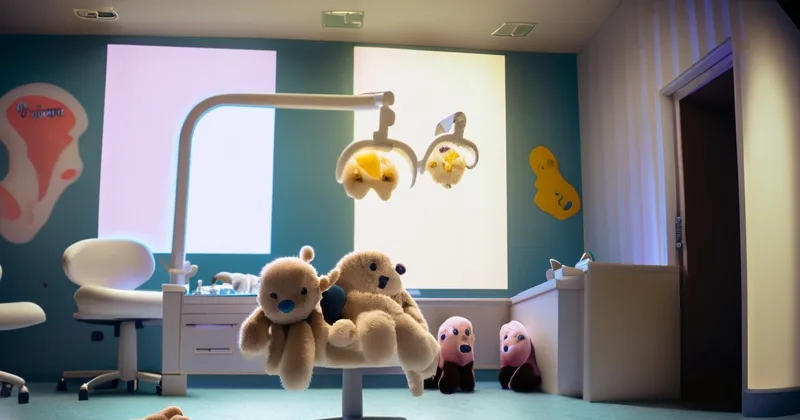
Dental treatment can produce strong sensory input: bright light, suction noise, drill vibration, water spray, odours, glove texture, mouth mirrors, cold air, tastes, textures, and the feeling of being reclined. For some autistic patients, a single sensory trigger is more distressing than the procedure itself.
Local anaesthesia and injections add sensory and anxiety challenges. A dental nurse can prepare topical anaesthetic when required, support chosen distraction techniques, warn the patient before each step, check the agreed stop signal, and monitor for overload. Do not shame stimming or self-soothing unless it presents immediate risk.
Adjustment options
- Dim or reposition the dental light where clinically possible.
- Offer sunglasses, headphones, a comfort object, or a visual timer if suitable.
- Let the patient sit more upright for parts of the visit if safe.
- Introduce instruments gradually and name them plainly.
- Use "tell, show, do" without turning it into a performance.
- Plan breaks before the patient reaches crisis point.
Choose distraction with the patient. A tablet, music, counting, breathing, a tactile object, a visual schedule, or quiet focus may help one person and irritate another. Strong smells such as aromatherapy can be triggering and are not reliably helpful.
Good sensory support is individual. The question is not "what works for autism?" but "what helps this patient today?"
Ask Dr. Aiden
Rate this page
Sign up now for a free account
Course tools & details

