

Sedation-Aware Dental Nursing
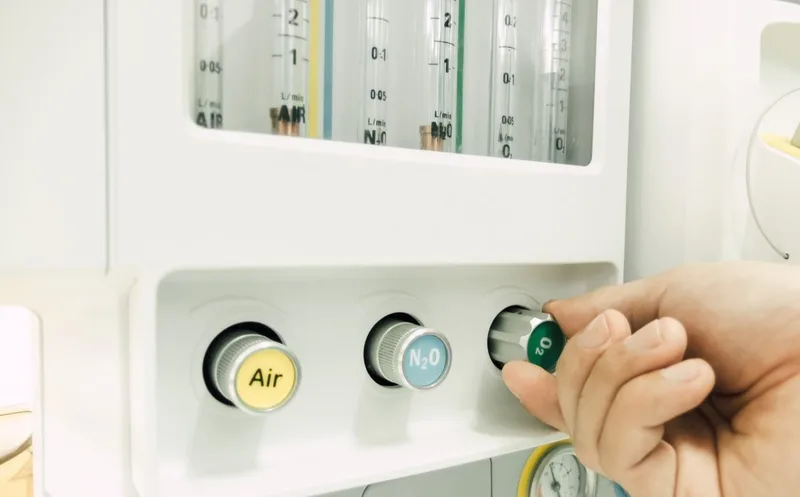
Some autistic patients can have routine dental treatment with reasonable adjustments. Others will need local anaesthesia, conscious sedation, referral to community or special care dentistry, or treatment under general anaesthesia in an appropriate setting. Sedation should be used as part of a planned, patient-centred approach, not as a substitute for clear communication and preparation.
Sedation-trained dental nurses have defined responsibilities under their training, competence, indemnity, and local policy. Typical duties include preparing the environment, checking documentation, supporting baseline observations, assisting with monitoring, communicating with patient and carer, recognising concerns, supporting recovery, and documenting aftercare. They do not prescribe sedative drugs or set doses.
The autism-aware elements are often practical. A patient may accept the nasal hood only if it is introduced slowly, need a single familiar communicator, or become distressed in a busy recovery area. These specifics are safety-relevant and should be included in the care plan rather than treated as optional preferences.
Autism-aware sedation preparation
- Check which sensory supports can be used safely before, during, and after sedation.
- Confirm fasting status, escort arrangements, medical history, current medicines, and consent documentation.
- Prepare the room to reduce unnecessary noise, movement, smells, and waiting.
- Agree simple language and identify one main communicator where possible.
- Plan recovery so the patient is not overwhelmed by light, noise, or crowded spaces.
After sedation, autistic patients may express discomfort, nausea, pain, fear, or confusion in different ways. Provide aftercare instructions the patient and carer can use: step-by-step written guidance, plain language, visual prompts, clear medication timings, warning signs, contact numbers, and specific advice about eating, drinking, pain, bleeding, or behaviour changes.
For sedation-trained dental nurses, autism-aware care combines standard sedation safety with patient-specific communication, sensory planning, recovery arrangements, and clear aftercare instructions.
Ask Dr. Aiden
Rate this page
Sign up now for a free account
Course tools & details

