

Hazard symbols, labels and safety data
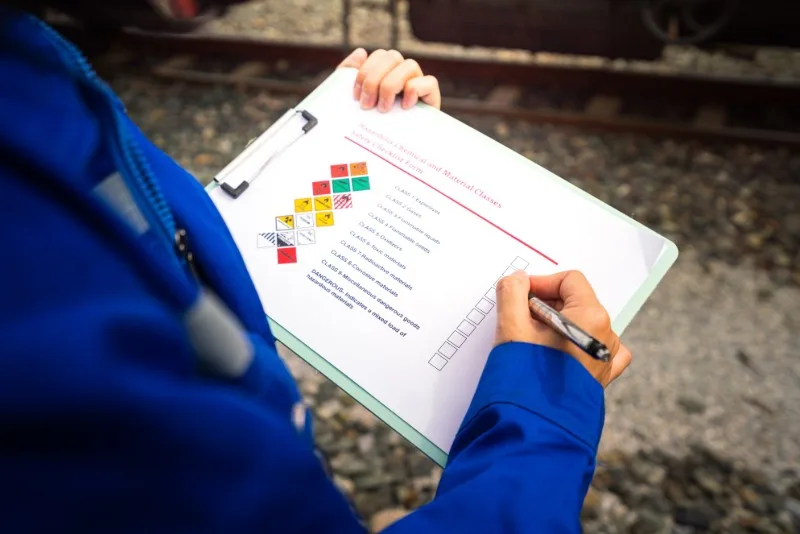
Labels and safety information remove guesswork. A product label identifies the substance, states the hazard and lists required precautions. Safety data sheets give more detail. If you cannot identify a product, do not use it.
Unlabelled bottles and casual decanting create real risk. Staff may not know whether a product needs dilution, protective gloves, ventilation or a different first-aid response for an eye splash. An unlabelled spray is also a serious access risk if a child mistakes it for something harmless.
A safety data sheet supports the employer's local COSHH assessment but does not replace it. Staff must follow the home's specific instructions on use, storage, dilution and spill or exposure response.
Simple label rules
- Use the original container where possible.
- Do not use unidentified liquids.
- Check the label before use, not after a splash.
- Know where local COSHH sheets are kept.
- Escalate missing labels and poor decanting practice.
If the product is not clearly identified, the safe action is to stop and check, not to guess.
Ask Dr. Aiden
Rate this page
Sign up now for a free account
Course tools & details

