

Emergency Drugs, Oxygen, and Dental Practice Equipment
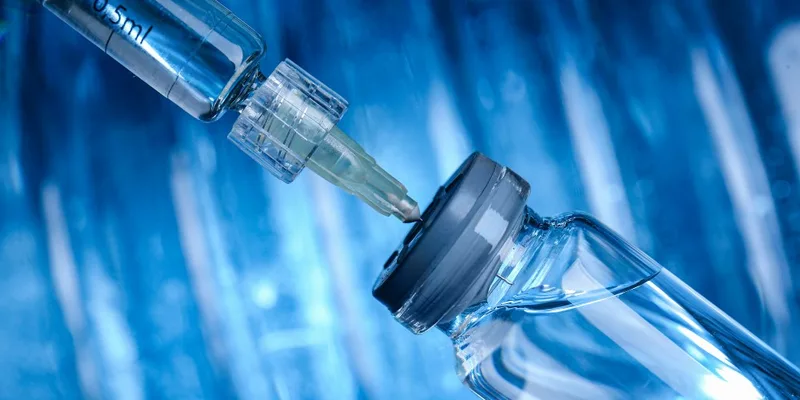
CPR and AED use are central to cardiac arrest response, but dental practices must also maintain emergency drugs and equipment. Dental nurses do not prescribe or decide treatment, but they frequently check, fetch, prepare, record, and hand over items during an emergency.
Current SDCEP dental prescribing guidance lists the recommended emergency drugs as adrenaline 1:1000 for intramuscular injection, aspirin 300 mg dispersible tablets, glucagon 1 mg for intramuscular injection, GTN spray 400 micrograms per metered dose, midazolam oromucosal solution 5 mg/ml, oral glucose, oxygen, and salbutamol inhaler 100 micrograms per actuation. Practices may also stock oral antihistamines for mild allergic reactions.
Equipment dental nurses should be able to locate
- Portable oxygen, masks, tubing, and flowmeter.
- Pocket mask with oxygen port.
- Adult and child bag-valve-mask systems.
- Oropharyngeal airways in appropriate sizes.
- Portable suction and compatible tubing.
- AED, pads, spare pads, razor, and scissors.
Checking equipment is not a tick-box exercise. Expired drugs, low or empty oxygen cylinders, missing AED pads, blocked access, or staff who cannot locate the kit can delay care. If you find a fault, record it, escalate it, and ensure patients are not exposed to avoidable risk while it remains unresolved.
If emergency equipment is missing, expired, inaccessible, or unfamiliar, the problem is immediate patient safety, not merely paperwork.
Ask Dr. Aiden
Rate this page
Sign up now for a free account
Course tools & details

