
Dementia Awareness for Residential Care Staff (Level 2)

Person-centred dementia care, communication, unmet need, and safer escalation in adult social care settings

  • Reputation

    No token earned yet.

    Reach 50 points to earn the Peridot (Trainee Level).

  • CPD Certificates

    Certificates

    You have CPD Certificates for 0 courses.

  • Exam Cup

    No cup earned yet.

    Average at least 80% in exams to earn the Bronze Cup.

Launch offer: Certificates are currently free when you create a free account and log in. Log in for free access

What dementia is and how it affects people
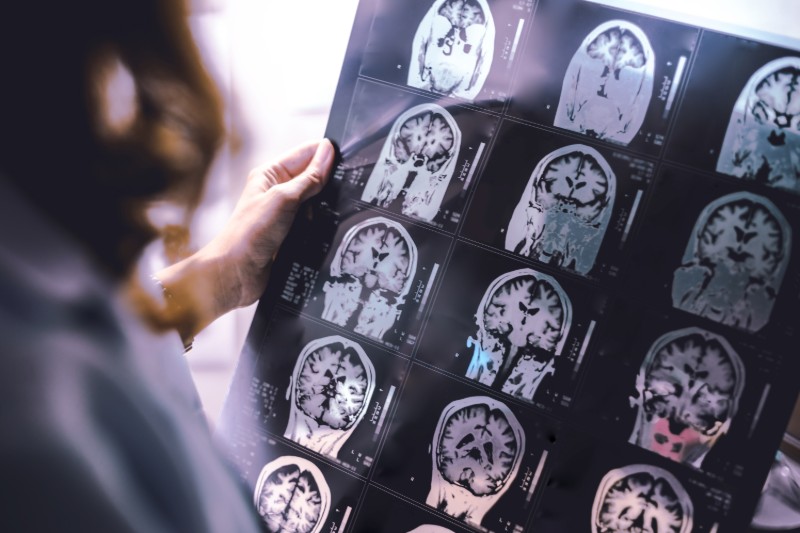
Hand holding sheet of brain MRI scans

Dementia is not one single disease and it is not a normal part of ageing. It is a term used to describe a group of symptoms caused by diseases that damage the brain, such as Alzheimer's disease, vascular dementia, dementia with Lewy bodies, and frontotemporal dementia.

Dementia affects people in different ways. It may cause problems with memory, attention, language, planning, judgement, orientation, perception, mood, behaviour, and the ability to carry out everyday tasks. Symptoms usually get worse over time, but the speed and pattern of change vary from person to person.

How dementia may affect daily life

  • Memory and orientation: the person may forget recent events, lose track of time, or be unsure where they are.
  • Communication: they may struggle to find words, follow a conversation, or understand long explanations.
  • Decision-making: choices that were once simple may become harder, especially when there is pressure or too much information.
  • Perception and reasoning: they may misinterpret what they see or hear, or become frightened by unfamiliar surroundings.
  • Everyday function: dressing, washing, eating, walking safely, and taking medicines may gradually need more support.

Important reminders for care staff

Not every difficulty in an older person is caused by dementia. A sudden change in confusion, alertness, mobility, continence, sleep, or behaviour may suggest illness, pain, delirium, medication effects, or another problem that needs review.

Dementia can also affect younger adults, although this is less common. Staff should avoid assuming dementia always looks the same, always progresses at the same speed, or always begins with memory problems alone.

What is dementia?

Video: 2m 18s · Creator: Alzheimer's Society. YouTube Standard Licence.

This Alzheimer's Society video explains that dementia is the name for a group of symptoms, not a single disease and not a natural part of ageing. The symptoms commonly include problems with memory, thinking, problem solving, language and perception, and they are significant enough to affect daily life.

Dementia is described as being caused by diseases that affect the brain, including Alzheimer's disease. The video explains that dementia involves loss of nerve cells and is progressive because nerve cells usually cannot be replaced. As more cells die, the brain shrinks; the video refers to brain scans showing this change over several years as dementia progresses.

Common symptoms include difficulties with day-to-day memory, concentration, organising and planning, language, visual perception, and mood. The symptoms vary from person to person depending on which areas of the brain are affected, such as language problems when temporal lobe cells are damaged or visual problems when occipital lobe cells are affected. The video also states that there is currently no cure for dementia and that many diseases causing dementia are terminal.

Was this video a good fit for this page?

Scenario

A resident who usually knows the staff asks several times in one afternoon, "When am I going home?" Another staff member replies sharply, "This is your home. We've told you already."

What should the team understand about this situation?


Dementia is a broad syndrome that affects thinking, communication, orientation, and daily life in different ways. Good care starts with understanding both the condition and the individual person.

Ask Dr. Aiden


Rate this page


Course tools & details Study tools, course details, quality and recommendations
Funding & COI Media Credits
