

Dementia, Oral Health, and the Dental Nurse Role
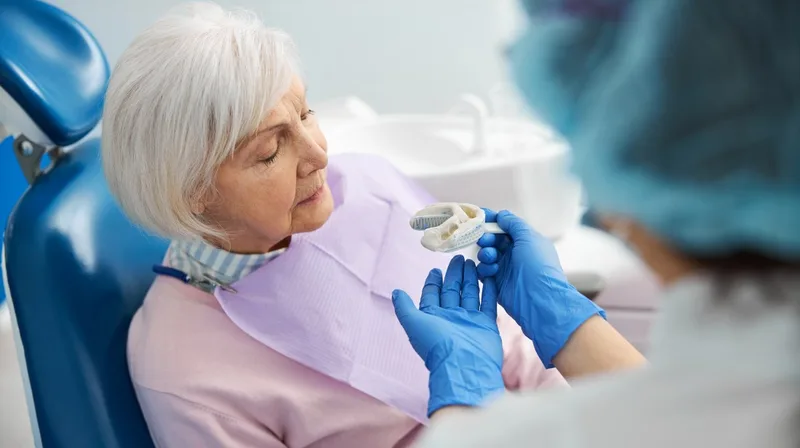
Dementia covers conditions that affect memory, thinking, communication, judgement, mood and daily functioning. People living with dementia may remain independent and articulate or require substantial support. In dental care, respond to the person you are with rather than relying on a label.
Oral health problems can appear early. Patients may forget appointments, struggle with toothbrushing, stop using interdental aids, change their diet, lose confidence with dentures, or be less able to describe pain. Medication side-effects, dry mouth, frailty, swallowing difficulty and reduced manual dexterity increase risk. Dental nurses contribute by spotting patterns, preparing the surgery, supporting explanations, recording relevant details and making sure concerns reach the right clinician.
Where dental nurses make a difference
- Before the visit: check communication needs, carer involvement, appointment timing, transport and any previous helpful adjustments.
- During care: observe for distress, confusion, fatigue, pain cues and whether the patient is following the procedure.
- After treatment: reinforce aftercare, provide written support, confirm who will help at home and record what worked.
- Across the practice: advise reception, support colleagues and suggest specific changes to make the service more dementia-friendly.
Being dementia-friendly does not mean lowering standards or excluding the patient from decisions. It means helping the person to understand, take part and receive care with dignity. Speak to the patient directly when possible, allow time, use simple steps and check whether carers are supporting appropriately or unintentionally taking over.
Dementia-friendly care starts with seeing the whole appointment pathway, not only the treatment in the chair.
Ask Dr. Aiden
Rate this page
Sign up now for a free account
Course tools & details

