

Environment, footwear, vision and everyday hazards
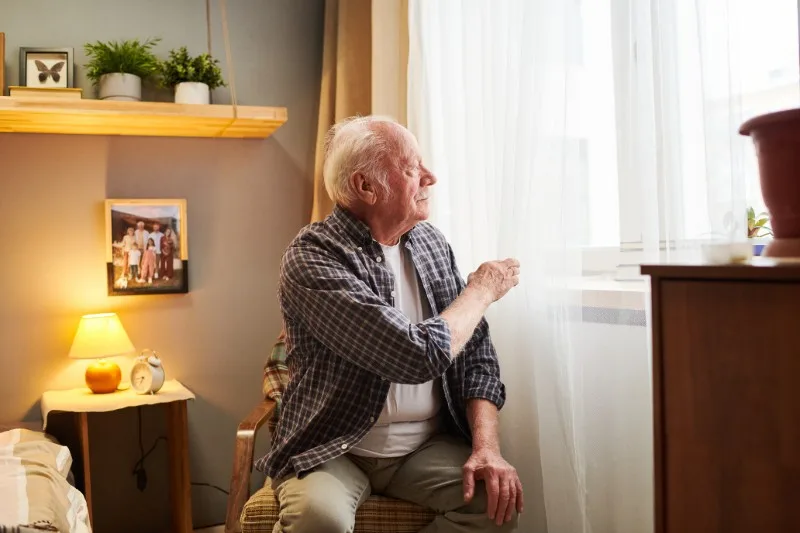
Small hazards in the environment can cause serious falls for someone who is tired, has poor vision, is hurrying, uses a frame, or is not fully aware of danger. Practical prevention focuses on clear routes, appropriate footwear, accessible walking aids, good contrast, working lights and a safe room layout.
NHS inform notes that foot problems, poor footwear, vision changes and difficulty adjusting to lighting raise falls risk. In care settings, these risks increase when aids are left out of reach, chairs are moved, floors become cluttered, or rooms are rearranged without considering how the person moves around the space.
Everyday checks that help
- Lighting and contrast: make sure key routes, steps, bathrooms and bedside areas are well lit and easy to judge visually.
- Floor space and layout: keep routes free from clutter, trailing items, unstable furniture and unnecessary obstacles.
- Footwear and feet: report loose slippers, worn soles, painful feet, swollen feet or footwear that does not match the person's needs.
- Walking aids: frames, sticks and wheelchairs should be within safe reach and in working order.
- Glasses and hearing aids: the right aids should be available, worn and easy to find when the person needs to move.
- Night-time safety: think about bed height, call bell access, toilet route, lamp position and where essentials are kept.
Safer rooms and routes are not optional extras. They are part of everyday falls prevention.
Ask Dr. Aiden
Rate this page
Sign up now for a free account
Course tools & details

