

Mobility, strength, balance and promoting independence
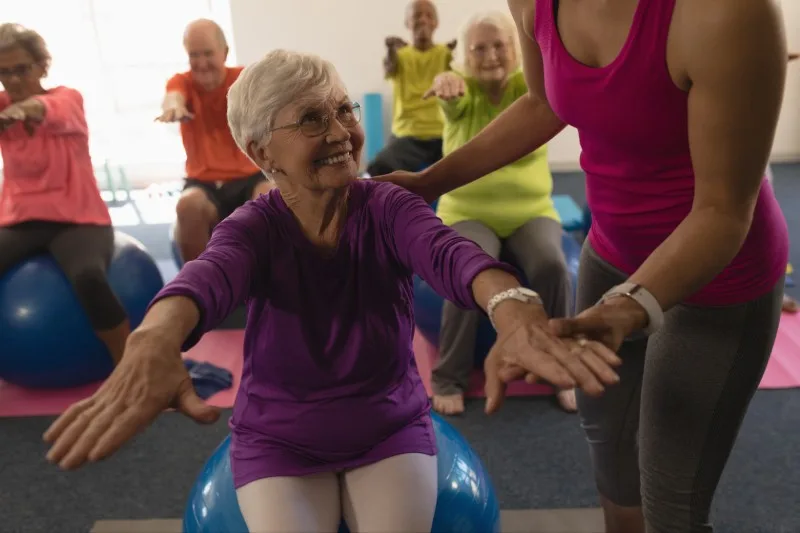
Falls prevention should help people move more safely without stopping activity. NICE recommends that in residential care settings people are supported to move around and stay as active as possible. Activity, strength and balance matter because reduced movement leads to weaker muscles, lower confidence and higher future fall risk.
Care staff support safer mobility in everyday actions: using the agreed walking aid, pacing transfers, allowing enough time, encouraging controlled movement rather than hurried grabbing, and reporting changes in ability. Over-helping can remove safe independence just as much as under-helping can increase risk.
Practical habits that support safer mobility
- Use the current plan: know what the person can do, which aid they need and when extra help is required.
- Keep aids available: do not move frames, sticks or wheelchairs out of reach just to make a room look tidier.
- Promote safe activity: walking, transfers, standing practice and exercises should match the person's plan and tolerance.
- Notice confidence changes: fear of falling, hesitating at thresholds or furniture-walking can indicate the need for review.
- Ask for review when needed: new weakness, increased assistance, repeated stumbles or refusal to use an aid should be handed over to the team.
People usually stay safer for longer when care supports the right level of movement, strength and confidence.
Ask Dr. Aiden
Rate this page
Sign up now for a free account
Course tools & details

