

Conducting a fire drill in a pharmacy
Fire drills let staff practise actions they would take in a real incident. In a pharmacy, drills test responses across the shop floor, dispensary, consultation room, stock areas and any spaces used by patients or visitors. They also reveal delays, confusion or practical barriers that may not be apparent from written procedures.
Planning the drill
A drill should be safe, practical and suited to the pharmacy layout. Staff can be warned that a drill will occur without being told the exact time so responses remain realistic while remaining controlled.
- Choose a suitable time: avoid unnecessary disruption but ensure the exercise is meaningful.
- Decide who will oversee it: appoint one person to coordinate the drill, observe actions and record the outcome.
- Review local roles first: ensure staff know their evacuation responsibilities before starting.
During the drill
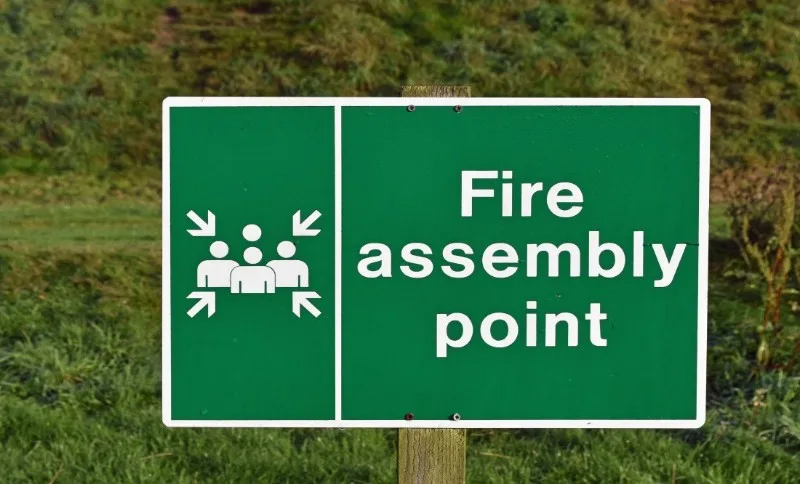
When the alarm sounds, staff should act as they would in a real evacuation. The drill should assess behaviour: how quickly staff move, how customers and patients are guided, whether key areas are checked, and if everyone reaches the assembly point safely.
- Observe evacuation behaviour: record whether staff follow the local procedure and act without delay.
- Watch for delays or confusion: note hesitation, blocked routes, unclear roles or poor communication as areas to improve.
- Include real pharmacy factors: account for consultation-room patients, customers browsing, stock areas and people who may need assistance.
Debrief and record
After the drill, gather feedback and identify what worked and what did not. Any gaps in understanding, coordination issues, or problems with exits or equipment should be corrected and documented.
- Discuss the outcome: agree what went well, what was unclear and what needs to change.
- Update procedures if needed: amend local fire procedures to reflect lessons learned.
- Keep a record: log the date, time, attendance, duration and any actions taken.
A fire drill is more than a compliance task. It tests whether the pharmacy team can evacuate safely, communicate clearly and follow local fire procedures under pressure.
Ask Dr. Aiden
Rate this page
Sign up now for a free account
Course tools & details

