

Emergencies, missed check-ins, reporting and aftercare
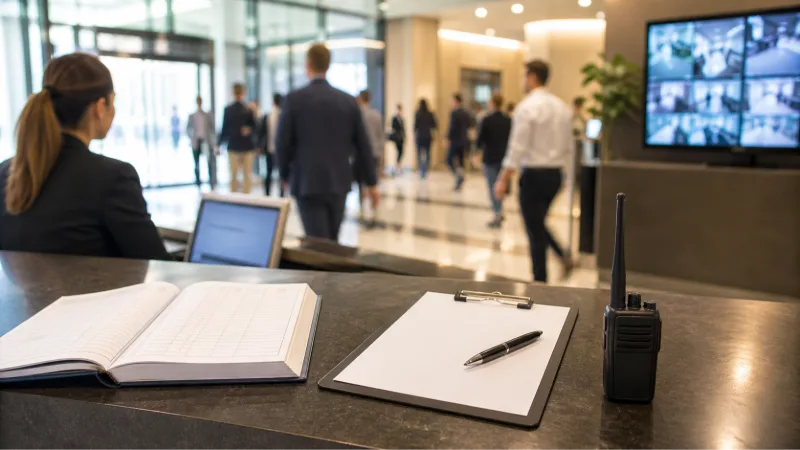
A lone-working arrangement is only safe if the emergency plan works in practice. If someone becomes unwell, is injured, faces aggression, is locked in, misses a check-in, cannot be contacted or reports a faulty alarm, the response should follow a clear, pre-agreed procedure.
Emergency arrangements should cover
- How to raise help: phone, panic alarm, lone-worker device, radio or the agreed contact route.
- Who responds: manager, keyholder, neighbouring branch, security provider, emergency services or another named person.
- Missed check-ins: the action to take if the worker does not call, return or answer.
- First aid: where the kit is, who is trained and what to do if the worker is alone.
- Evidence: how to preserve records, CCTV, messages or incident details where safe and appropriate.
- Aftercare: debrief, welfare support, workplace adjustments, and review after frightening or repeated incidents.
Broken systems are safety risks. A panic alarm that does not work, an emergency number that is out of date, a missed check-in with no response, a rear door that will not lock or a pattern of late lone cover should be reported. Repeated near misses must not be accepted as normal.
After an incident, staff may need both practical support and a report. Verbal threats, intimidation, harassment, being trapped, sudden illness or a failed alarm can affect confidence and wellbeing even when there is no physical injury.
The purpose of reporting is not blame. It is to make the next lone-working situation safer than the last one.
Ask Dr. Aiden
Rate this page
Sign up now for a free account
Course tools & details

