

Risk checks, competence and when not to work alone
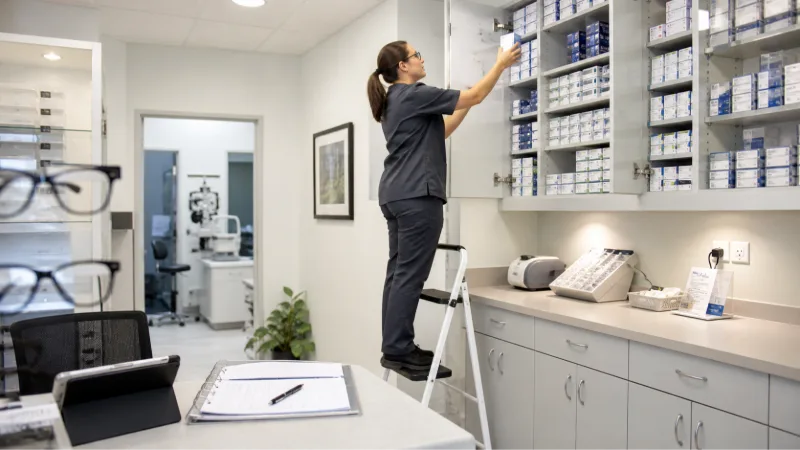
Before working alone, staff must be clear about the specific task, the location and time, their training and authorization, and how they will summon help. A task that is safe for an experienced member at mid-morning with colleagues nearby may not be safe for a new starter at closing time with poor phone signal and no clear alarm route.
A quick dynamic risk check
- Task: is this routine, physical, cash-related, close-contact, equipment-related or conflict-prone?
- Worker: am I trained, authorised, confident and well enough to do this alone?
- Place: can I see exits, call for help, avoid being trapped and move away if needed?
- Time: is it early, late, dark, quiet, busy, pressured or after a difficult incident?
- History: have there been threats, theft, missed check-ins, faults, accidents or near misses?
- Emergency route: do I know who to call, how to raise an alarm and what happens next?
Some tasks should not be done alone unless extra controls are in place. Examples include unsupervised opening or closing, using step ladders in isolated areas, moving awkward stock, dealing with unknown visitors at rear doors, operating equipment without training, cleaning chemical spills, managing known-aggression situations, or locking up after a difficult incident.
New staff, trainees, temporary staff and locums will often need closer supervision at first. This ensures they know the local layout, the alarm system, emergency contacts, escalation routes, equipment limits and what they may refuse or stop doing.
The test is not "can one person do it?" It is "can this person do this task safely, here and now, with realistic help if needed?"
Ask Dr. Aiden
Rate this page
Sign up now for a free account
Course tools & details

