

Forms of exploitation and who may be affected
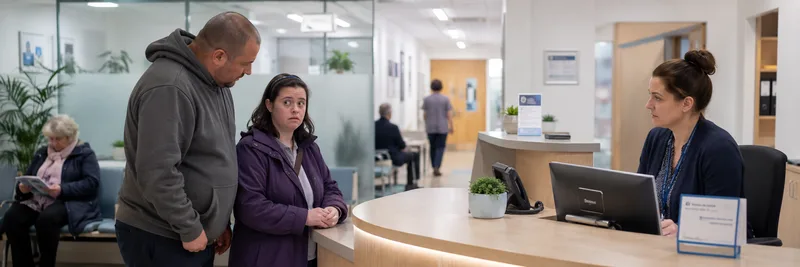
Exploitation takes many forms: forced labour, domestic servitude, sexual exploitation, criminal exploitation including county lines, forced begging, forced marriage, debt bondage, or being moved and controlled for someone else's gain.
Those affected may be adults or children, UK nationals or non-UK nationals. They can live in private homes, shared accommodation, workplaces, hotels, farms, care settings or unstable housing. Some will attend the practice in person; others contact services online, through a third party, by phone, or will miss appointments repeatedly.
Domestic servitude is often hidden because it occurs inside private homes and can be disguised as care, family help, employment or accommodation. In general practice the signs are often indirect: exhaustion, fear, an accompanying person who answers for them, missing documents, unsafe contact details, or a patient unable to explain where they live or work.
Control may be practical, emotional or physical
- Practical control: someone else holds the person's phone, documents, money, transport, appointment letters or online access.
- Emotional control: threats, shame, fear, debt, coercion or warnings that services cannot be trusted.
- Physical control: restricted movement, injuries, being accompanied everywhere or not being allowed to attend alone.
- Information control: another person speaks, translates, answers questions or blocks private conversation.
People may be at increased risk when they
- Depend on someone for housing, money, immigration help, employment or transport
- Have limited English and no safe independent interpreter
- Are isolated, homeless, missing from home, moved frequently or kept away from services
- Are children, young people or adults with care and support needs
- Have debts, addiction, mental health problems or fear of authority that someone else exploits
A patient may not use words such as "trafficking" or "slavery". They may say, "I cannot leave", "my boss keeps my papers", "I owe them", "I am not allowed to talk", or "they will hurt me if I say anything". Preserve these phrases and escalate them.
Exploitation often combines control, fear, dependency and isolation; the person may not identify it as abuse.
Ask Dr. Aiden
Rate this page
Sign up now for a free account
Course tools & details

