

Modern slavery and human trafficking in general practice
Modern slavery covers slavery, servitude, forced or compulsory labour and human trafficking. Exploitation can occur locally or across borders, and the person affected may not identify as a victim.
General practice can be one of the few services outside an exploiter's control that a victim contacts. Appointments may be brief, indirect or tightly controlled, so small details can provide important clues.
Modern Slavery Awareness
Why GP first contact matters
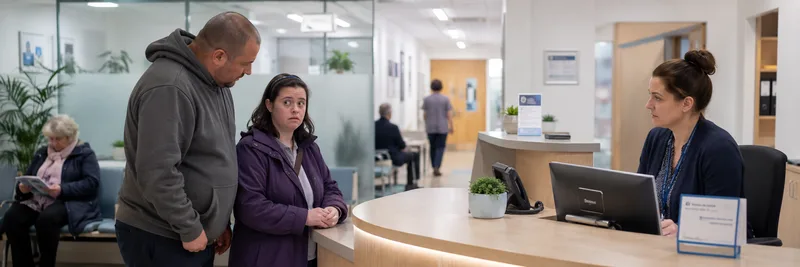
- Patients may attend with someone who controls the conversation, answers questions, refuses an interpreter or prevents privacy.
- They may lack control over basic details, such as documents, phone, address, money, transport or appointments.
- They may have health problems linked to exploitation, including untreated injuries, exhaustion, poor mental health, sexual health concerns or chronic pain.
- They may fear services because of threats, debt, immigration worries, shame or previous experiences of not being believed.
- Children and adults can both be exploited, and the safeguarding route may differ depending on age, capacity and immediate danger.
What reception staff are looking for
The role is not to prove trafficking but to notice signs of control, fear, restriction, dependency or exploitation and ensure the concern reaches someone who can act.
Base concerns on what was said, seen or reported. A factual record such as "companion answered all questions and said patient has no documents because 'I keep them safe'" is more helpful than simply labelling the situation "possible trafficking".
Modern slavery is a safeguarding concern; you do not need proof before raising a factual concern.
Ask Dr. Aiden
Rate this page
Sign up now for a free account
Course tools & details

