

Practice systems, staff awareness and safer follow-up
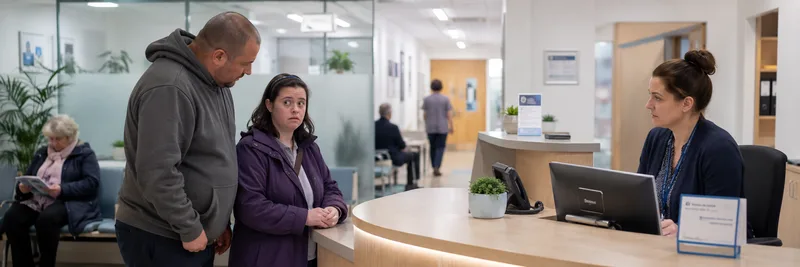
Practices are safer when staff can recognise exploitation, access interpreters, protect safe contact and raise concerns without delay. Modern slavery concerns should not rely on a single receptionist improvising under pressure.
Systems should make the safer route straightforward to follow. If staff routinely use companions as interpreters, send texts without checking safe contact, or do not know who the safeguarding lead is, significant concerns can be missed.
Safer systems include
- Named safeguarding leads and deputies clearly visible to reception and admin staff.
- Clear escalation routes for urgent and non-urgent exploitation concerns.
- Approved interpreter access for urgent and routine contacts.
- Safe-contact and proxy-access procedures for calls, texts, letters, online records and third-party communication.
- Prompts for recording factual concern, including who was present and whether the patient could speak freely.
- Debrief and support after frightening, complex or threatening contacts.
Learning from near misses
Near misses should prompt system changes. If a patient is repeatedly seen with a controlling companion, interpreter access fails, or unsafe contact details are used, review the process rather than simply reminding one staff member to be more careful.
Regular team huddles and safeguarding supervision let staff discuss uncertainty, spot patterns and address unsafe habits. The aim is a culture where factual concerns are raised early and proportionately.
A patient who cannot speak freely needs a practice system that helps staff act safely, not guess under pressure.
Ask Dr. Aiden
Rate this page
Sign up now for a free account
Course tools & details

