

Recognising warning signs and dynamic risk
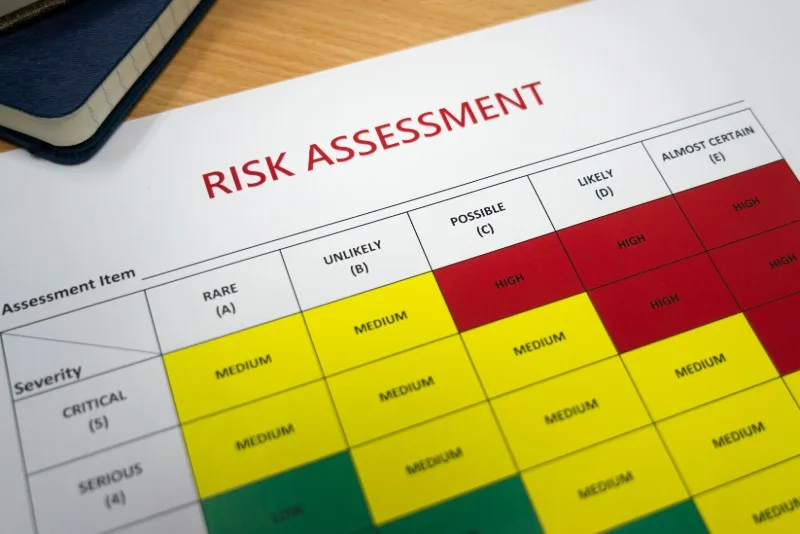
Personal-safety risk can change quickly. Staff may notice shifts in a person’s voice, posture, facial expression, movement, breathing, cooperation, or in the environment. A dynamic risk assessment asks, "What is changing right now, and what does that mean for safety?"
In care homes these signs are often subtle. A usually settled resident may be restless because of pain, infection, constipation, hunger, sensory overload, tiredness, fear, or a change in routine. A visitor may become angrier if they feel ignored. A staff member may feel trapped when alone in a room with furniture blocking the route to the door.
Point-of-Care Risk Assessments in Long-Term Care: Introduction
Warning signs staff should notice
- Voice and words: shouting, muttering threats, repeated demands, insults, or a sudden silence after agitation.
- Body language: clenched fists, pacing, fixed stare, blocking movement, grabbing objects, pointing near the face, or invading personal space.
- Behaviour changes: increased confusion, new suspicion, refusal of care, restlessness, tearfulness, or sudden agitation.
- Environmental pressure: noise, crowding, poor lighting, lack of privacy, heat, delays, locked doors, clutter, or no obvious exit.
- Your own warning signs: feeling unsafe, rushed, cornered, unusually anxious, or aware that you cannot summon help easily.
Questions to ask in the moment
- Can I leave safely if I need to?
- Can I call for help quickly?
- Is this person becoming more distressed or fixated on one demand?
- Could pain, infection, delirium, hunger, thirst, fear, past trauma, sensory needs, or communication difficulty be contributing?
- Do I need to pause the task, change approach, bring a colleague, or leave and escalate?
Dynamic risk assessment means acting before the incident peaks. If your exit, support route, or sense of safety changes, pause the task and get help early.
Ask Dr. Aiden
Rate this page
Sign up now for a free account
Course tools & details

