

Safer environments, exits, alarms, and everyday hazards
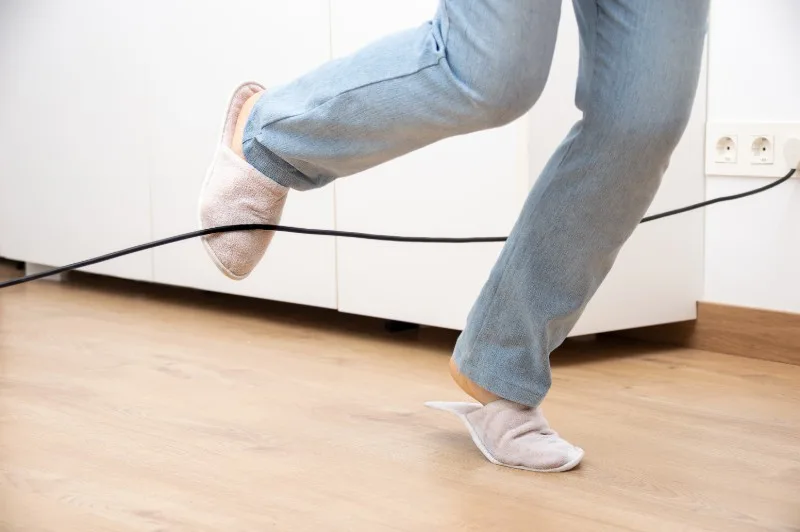
The physical environment affects staff safety. Risks increase where staff can become trapped by furniture, cannot summon help, work in poor light, face clutter, or must use poorly maintained equipment or spaces.
Personal safety includes communication and behaviour, but also the layout, equipment, staffing levels, maintenance, housekeeping, lighting, alarms, procedures, and how quickly concerns are acted on.
Environmental safety checks
- Exits: staff should know safe routes out of rooms, lounges, gardens, kitchens, stores, and offices.
- Alarms and call systems: staff should know what to use, the coverage, who responds, and what to do if the system fails.
- Furniture layout: avoid positions that trap staff between a resident or visitor and the door.
- Lighting: entrances, corridors, car parks, gardens, stores, and external waste areas must be safe to use in normal conditions.
- Clutter and trip hazards: cables, hoists, laundry bags, boxes, wet floors, and equipment should not obstruct movement.
- Objects that can be thrown or used as weapons: remove or secure loose items where a resident has known distress or aggression risks.
- Maintenance: report and track broken locks, faulty doors, damaged flooring, unsafe furniture, and unreliable alarms.
Rooms and care tasks
Personal care, medication rounds, clinical procedures, moving and handling, activities, mealtimes, smoking support, and family meetings each create different safety needs. Staff should consider where they stand, what equipment is present, whether another staff member is needed, and whether the layout allows safe withdrawal.
Everyday hazards also reduce the service's ability to care. A care worker who slips on a wet floor, trips over a cable, or is injured by poorly stored equipment may be unable to help residents and could suffer lasting harm. Report hazards promptly rather than working around them.
A safer environment gives staff space to leave, ways to summon help, and fewer hazards that can turn ordinary care into an avoidable incident.
Ask Dr. Aiden
Rate this page
Sign up now for a free account
Course tools & details

