
Personal Safety for Residential Care Staff

Recognising risk, staying safer, reporting incidents, and supporting safer systems in adult social care

  • Reputation

    No token earned yet.

    Reach 50 points to earn the Peridot (Trainee Level).

  • CPD Certificates

    Certificates

    You have CPD Certificates for 0 courses.

  • Exam Cup

    No cup earned yet.

    Average at least 80% in exams to earn the Bronze Cup.

Launch offer: Certificates are currently free when you create a free account and log in. Log in for free access

Sharps, body fluids, and immediate injury response
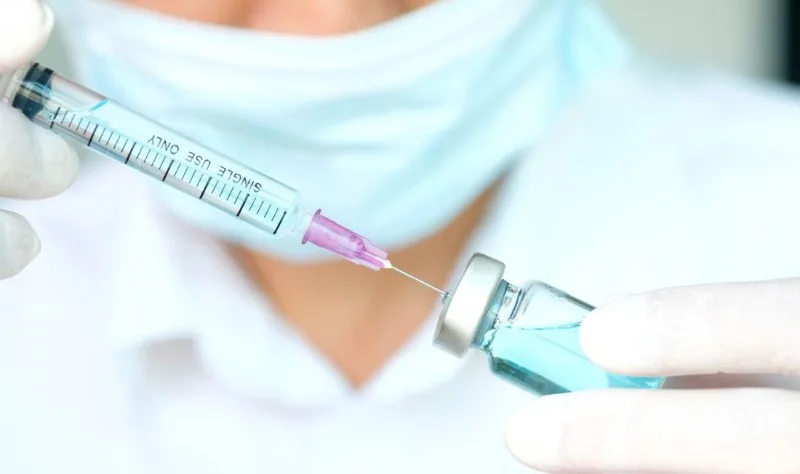
Gloved hands drawing vaccine into syringe

Sharps injuries are a recognised hazard in health and social care. The HSE defines sharps as needles, blades and other instruments that can cut or pierce the skin. A contaminated sharp can transmit blood-borne viruses such as hepatitis B, hepatitis C and HIV. Even when infection does not occur, a sharps injury can cause significant worry and stress.

Care staff can encounter sharps in insulin pens, blood glucose testing equipment, injectable medicines, clinical waste, bins, laundry and bedding, in resident rooms, in visitors' belongings, or when disposal has been unsafe. Staff may also be exposed to bites, scratches, spitting, blood, vomit, urine, faeces or other body fluids during care.

Safe Management of Blood and Body Fluid Spillages HD

Video: 5m 31s · Creator: TheNHSEducation Supportweb. YouTube Standard Licence.

This NHS Education for Scotland animation shows how to manage blood and body fluid spillages in acute, community, care home and residential settings. It explains that blood, faeces, vomit, sputum and other body fluids can carry blood-borne viruses or other microorganisms, so spillages should be cleaned and contaminated surfaces disinfected without delay.

The animation sets out five steps: cordon off the spillage, identify the type of fluid, collect the correct equipment, protect yourself, then disinfect and clean. In one example a nurse moves the patient away from a small blood spill, places wet-floor notices, follows the algorithm, gathers chlorine-releasing granules, gloves, apron, paper towels, detergent and a healthcare waste bag, then disinfects, cleans, disposes of waste and performs hand hygiene.

A care home example shows a worker finding a urine spill from a catheter bag. He places barriers around the area, follows the algorithm and notes that chlorine-releasing agents should not be applied directly to urine because they can react and release chlorine gas. The correct response depends on the fluid type, the surface and the risk of splashing.

Was this video a good fit for this page?

Safer sharps practice

  • Use sharps bins correctly: sharps should go straight into the correct approved container after use.
  • Do not overfill sharps containers: follow fill lines and local replacement procedures.
  • Do not put hands into bins, bags, bedding, laundry, or waste where sharps may be hidden.
  • Do not recap or dismantle needles unless your specific training and device instructions require a safe method.
  • Report missing, damaged, overflowing, or incorrectly placed sharps containers immediately.
  • Use PPE and safe systems: follow infection prevention, waste, laundry, and incident procedures.

If a sharps injury happens

HSE advice for a potentially contaminated sharps injury is to encourage the wound to bleed gently, preferably under running water; wash the wound with running water and plenty of soap without scrubbing; do not suck the wound; dry it, cover with a waterproof dressing and seek urgent medical advice.

Local policy should specify who to contact, where to attend, how quickly to seek occupational health or emergency advice and how the incident is recorded. Do not quietly wash the injury and carry on.

Scenario

A domestic worker feels a sharp scratch while emptying a bathroom bin. They find a used needle hidden in tissues. They feel embarrassed because they think they should have noticed it and consider saying nothing.

What should happen?


Sharps injuries and body-fluid exposures need immediate first aid, urgent advice, and reporting. Quietly washing the injury and carrying on is not safe practice.

Ask Dr. Aiden


Rate this page


Course tools & details Study tools, course details, quality and recommendations
Funding & COI Media Credits
