

Heat, electrical, mechanical and chemical risks
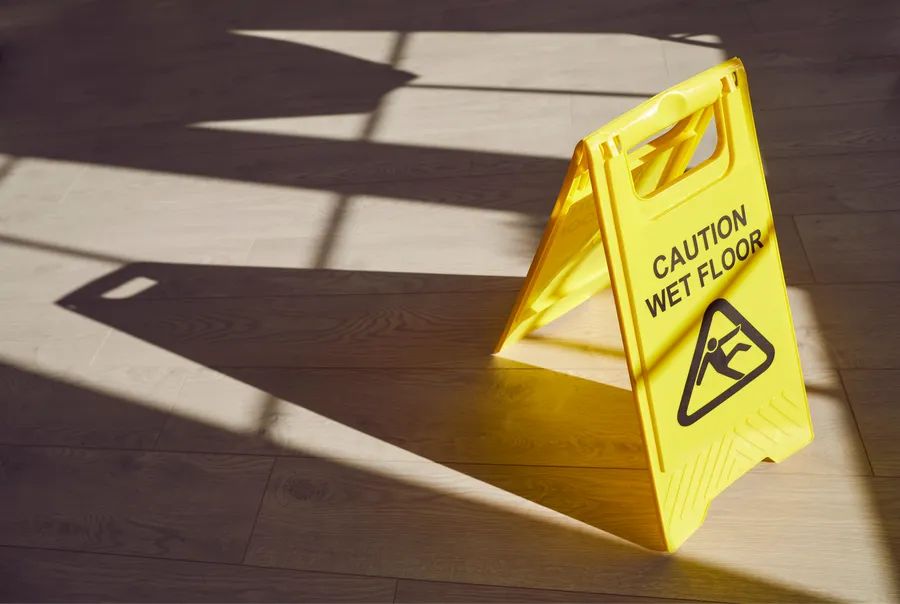
Not all equipment risk is clinical. Optical support work can involve heat, electricity, moving parts, sharp tools, cleaning chemicals, trip hazards and liquids near devices. These hazards must be controlled to prevent accidents.
Familiar items such as a frame heater, ultrasonic cleaner, cable, plug, charger, pliers, battery or a bottle of cleaner can be safe until they are damaged, misused, unlabelled or placed where patients and staff may be harmed.
Common equipment hazards
- Heat: frame heaters, hot water, heat pans or tools that can burn patients, staff or frames.
- Electrical risk: damaged plugs, frayed cables, buzzing, scorch marks, overheating, liquid near sockets or repeated tripping.
- Mechanical risk: moving parts, pinch points, unstable equipment, falling items, awkward carrying or poorly stored tools.
- Chemical risk: unlabelled bottles, mixed products, poor ventilation, wrong dilution, skin or eye exposure, and incompatible cleaning products.
- Trip and access risk: trailing cables, device trolleys, foot pedals, boxes, wet floors or cramped rooms.
- Battery and charging risk: damaged chargers, overheated batteries, charging in unsuitable places or blocked vents.
Stop unsafe work
If equipment smells hot, sparks, leaks, wobbles, has a damaged cable, makes a new noise, gives repeated errors or has missing safety parts, stop using it and report the fault. Do not continue because a patient is waiting, the collection is urgent or the practice is short staffed.
Support staff must know the local route for chemical splashes, spillages, eyewash, first aid and emergency help. If a substance gets into someone's eye or onto skin, follow the local exposure and first-aid procedure immediately, including prompt irrigation or rinsing where that is the local instruction, while arranging further help.
A faulty device is not made safe by being used carefully. Stop, report, label or quarantine, and record.
Ask Dr. Aiden
Rate this page
Sign up now for a free account
Course tools & details

