
Safeguarding Children for Clinical Pharmacy Staff (Level 3)

UK Level 3 safeguarding children training for clinical pharmacy professionals

  • Reputation

    No token earned yet.

    Reach 50 points to earn the Peridot (Trainee Level).

  • CPD Certificates

    Certificates

    You have CPD Certificates for 0 courses.

  • Exam Cup

    No cup earned yet.

    Average at least 80% in exams to earn the Bronze Cup.

Launch offer: Certificates are currently free when you create a free account and log in. Log in for free access

Child Neglect

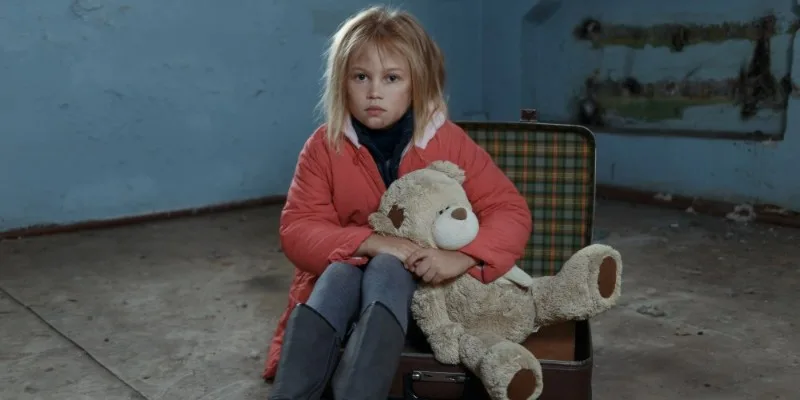
Young girl sitting on suitcase holding stuffed bear

Neglect is the persistent failure to meet a child's basic physical, emotional, developmental, educational, medical or supervisory needs. It is often identified through a repeated pattern of missed care rather than a single event.

That pattern may show in:

  • hygiene
  • nutrition
  • sleep
  • supervision
  • school attendance
  • untreated illness
  • repeated urgent-care use
  • medicines that are not collected, given or monitored reliably

Clinical pharmacy staff frequently see early signs, because neglect commonly affects continuity of treatment before it is recognised elsewhere.

Cumulative Harm and Developmental Impact

Neglect can undermine development over time. A child whose needs are repeatedly unmet may become withdrawn, hungry, unwashed, over-responsible, or less able to cope at school and at home.

One late collection may mean little. Repeated non-collection, avoidable exacerbations, poor hygiene, infection, school concerns and unsafe supervision together can indicate significant harm.

InBrief: The Science of Neglect

Video: 5m 58s · Creator: Center on the Developing Child at Harvard University. YouTube Standard Licence.

This Center on the Developing Child at Harvard University video explains why chronic neglect can be especially harmful in early childhood. It describes children's biological need for responsive "serve and return" interaction, where a child signals interest or need and an adult responds in a warm, attentive way.

The video explains that neglect disrupts brain development in two ways: it removes the stimulation needed to build healthy brain architecture, and it can activate stress biology when a baby or child is not attended to. Prolonged exposure to stress hormones can interfere with the formation of important neural connections.

It sets out a spectrum of neglect, from occasional inattention, which is usually not harmful, through chronic under-stimulation and severe family neglect, to severe institutional neglect where stable responsive relationships are missing. The video ends by emphasising prevention and intervention that help parents, foster carers, childcare settings and other caregivers provide consistent responsive care.

Was this video a good fit for this page?

Medical Neglect and Missed Care

Medical neglect is particularly relevant to clinical pharmacy. It can include failure to seek care, poor supervision of medicines, missed monitoring or repeated failure to follow through with essential treatment.

Warning signs include:

  • repeated late collections
  • frequent urgent-care use
  • missed follow-up
  • untreated pain or infection
  • poor hygiene
  • a child saying no one helps with treatment

Hardship, Support, and Safeguarding

Hardship can create real barriers to care and should be met with empathy. However, repeated unmet need still requires safeguarding action.

Warm or cooperative presentation does not remove concern. Objective records, a clear chronology, attendance data and the child's account remain important.

Neglect often becomes visible through repetition. If the same child keeps arriving without the care, treatment, supervision or protection they need, the pattern itself is a safeguarding signal.

Scenario

You are a clinical pharmacist in a paediatric outpatient clinic reviewing an 8-year-old boy with severe eczema, recurrent skin infections and poor asthma control. Over the past year the record shows repeated late collections of emollients and inhalers, two missed dermatology appointments, several urgent-care attendances and repeated courses of antibiotics.

His mother says the family have had a difficult time and that he just scratches a lot no matter what they do. The child looks tired, smells strongly of stale urine and has crusted excoriations on his arms. When asked who helps with creams and inhalers at home, he shrugs and says he usually remembers if he can, but sometimes there is no one awake to help before school. A school note in the record mentions frequent hunger and concern about him arriving in dirty clothes.

What Level 3 safeguarding points should this make you think about?


Ask Dr. Aiden


Rate this page


Course tools & details Study tools, course details, quality and recommendations
Funding & COI Media Credits
