

Online Harm, Cyber-Enabled Grooming, Sextortion and Self-Generated Sexual Imagery
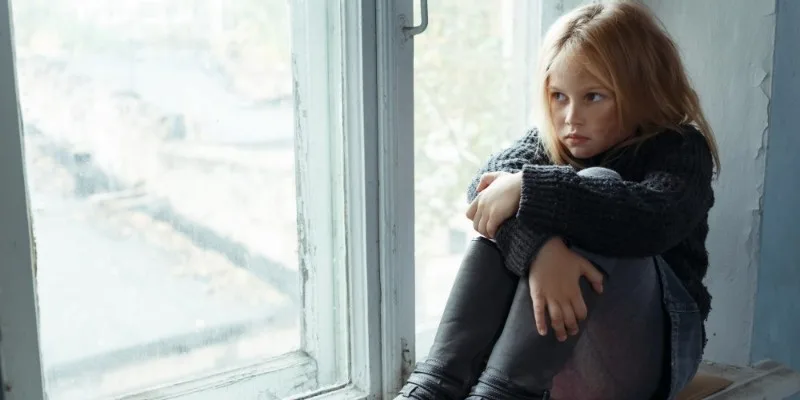
Online contact that begins as messaging, gaming or social media use can expose children and young people to serious safeguarding risks. At Level 3, clinicians must recognise when online behaviour becomes coercive, sexual, exploitative or connected to harm offline.
Young people can be groomed, blackmailed, humiliated or threatened via phones, apps, games, social platforms or image-sharing. Because of shame and fear, the harm may first look like a mental health or behavioural problem.
Cyber-Enabled Grooming and Sextortion
Grooming online can progress from attention and secrecy to sexual chat, requests for images, imposed control of contact, blackmail, or pressure to meet. Sextortion uses sexual images or threats to force more images, money, sexual acts or in-person contact.
Possible signs include:
- panic when the phone alerts
- withdrawal
- poor sleep
- self-harm
- school refusal
- sexual health concerns
- a young person who seems trapped by digital surveillance
Self-Generated Sexual Imagery
Pressure, manipulation or peer relationships can lead to self-generated sexual images that later become coercive. The important question is not why an image was sent but whether a power imbalance, fear or exploitation now increases the risk.
Risk increases when there are threats, demands, unknown adults, pressure to meet, a large age difference, severe shame or suicidal thoughts.
Clinical Response Within Role
In pharmacy practice online harm may present as anxiety, insomnia, self-harm, requests for contraception or STI treatment, panic, or unexplained deterioration in health or engagement. Your role is not to investigate devices; respond calmly, check immediate safety, record accurately and escalate.
Do not blame the child or ask to view images unless local procedure specifically requires this. If there are threats, planned meetings, recent adult contact, blackmail or suicide risk, escalate urgently.
Online abuse is real-world abuse. Shame, secrecy, and fear often hide it until the young person feels trapped, blamed, or unsafe.
Ask Dr. Aiden
Rate this page
Sign up now for a free account
Course tools & details

