
Safeguarding Children for Clinical Pharmacy Staff (Level 3)

UK Level 3 safeguarding children training for clinical pharmacy professionals

  • Reputation

    No token earned yet.

    Reach 50 points to earn the Peridot (Trainee Level).

  • CPD Certificates

    Certificates

    You have CPD Certificates for 0 courses.

  • Exam Cup

    No cup earned yet.

    Average at least 80% in exams to earn the Bronze Cup.

Launch offer: Certificates are currently free when you create a free account and log in. Log in for free access

Professional Curiosity, Clinical Judgement and Risk Formulation
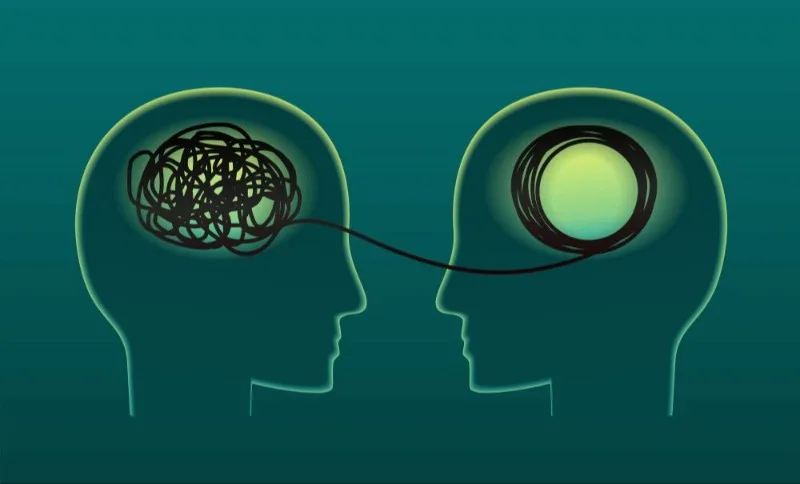
Two outlined heads connected by a thread

Professional curiosity is the habit of looking beyond the obvious explanation in a clinical encounter and asking whether there might be more to the situation. In Level 3 safeguarding practice this does not mean treating every family as suspicious.

It means noticing when a pattern, behaviour or history does not fit the presented account.

Children seldom present with a clear safeguarding label. Repeated treatment failure, avoidance of one adult, inconsistent accounts or spending time away from home can indicate neglect, exploitation, coercion or unmet need.

Looking Beyond the Obvious

Trauma can alter how children behave. They may appear angry, flat, vague, withdrawn or overly compliant, responses that can be mistaken for simple non-engagement.

A trauma-informed response is commonly:

  • slower
  • clearer
  • attentive to who controls the conversation
  • aware of whether privacy is limited
  • sensitive to whether fear or loyalty shapes what is said

Risk formulation involves assembling the available information: what increases the child's vulnerability, what protects them, and whether the risk arises at home, online or elsewhere.

In clinical pharmacy this often requires looking past the immediate medication issue to the pattern around it.

Professional curiosity means taking clinical unease seriously when the pattern, context, or behaviour suggests that routine explanations may be hiding safeguarding risk.

Scenario

You are reviewing a 15-year-old boy whose epilepsy remains poorly controlled despite several treatment changes. His medication record shows repeated late collections, two recent emergency attendances, and several missed neurology follow-ups.

His mother says he is just disorganised and "won't help himself." The young person gives very short answers, avoids eye contact, and says he has been staying away from home more often because things are "easier elsewhere." When asked who reminds him about medicines, he shrugs and says, "Depends where I am."

What Level 3 safeguarding points should this make you think about?

Prevent child abuse and neglect

Video: 9m 11s · Creator: WHO European Region. YouTube Standard Licence.

This WHO Europe video addresses the prevention of child abuse and neglect through personal accounts from adults who experienced abuse during childhood. The description states that millions of children in the WHO European Region have experienced sexual, physical or mental abuse, and the video uses testimony to show the long-term impact of unsafe childhoods.

One account describes severe neglect, parental drug use, visible injuries, violence, emotional abuse, physical abuse and sexual abuse from an early age. The speaker describes being passed between adults, feeling unwanted, being exposed to unsafe environments, and not receiving the psychological or safeguarding support she needed even when warning signs were visible.

The video presents abuse and neglect as preventable harm that requires adults and services to notice signs, respond early and protect children before repeated trauma continues.

Was this video a good fit for this page?
 

Ask Dr. Aiden


Rate this page


Course tools & details Study tools, course details, quality and recommendations
Funding & COI Media Credits
