

Child Neglect
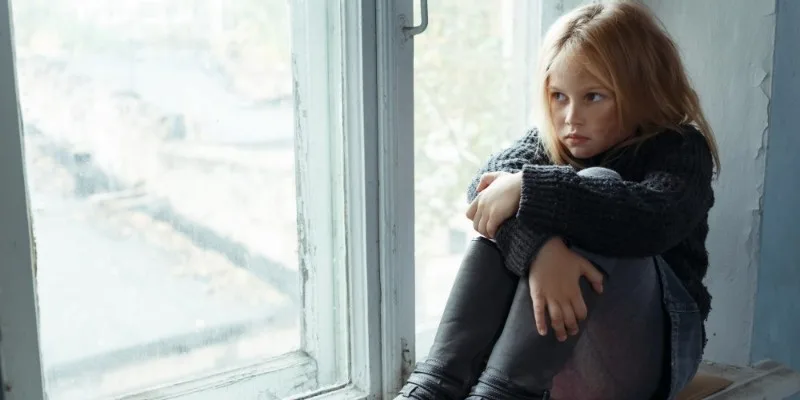
Neglect is less obvious than many other forms of abuse but can cause serious harm. It occurs when a child's basic needs are not met consistently enough to keep them safe, healthy and well.
Needs affected by neglect include physical care, emotional support, medical attention, education and supervision. In pharmacy practice, neglect usually appears as a pattern over time rather than a single dramatic incident.
Examples you might see include a child who often looks unwashed, underdressed for the weather, hungry, exhausted or unwell without follow-up. You may notice repeated requests for help that relate to the same unresolved issue, or medicine collections that suggest health needs are not being managed. Sometimes the child is present; other times concerns arise from what carers say, do not do, or continually postpone.
InBrief: The Science of Neglect
Why Neglect Can Be Missed
Neglect can become normalised because it often develops slowly. A family's situation may look chaotic rather than clearly abusive. A parent who seems apologetic or friendly can make concerns harder to spot. In a pharmacy you may be one of the few professionals to see the same worrying pattern repeatedly, so repeated contact matters.
- Ongoing poor hygiene, tiredness, or inappropriate clothing.
- Repeated unmet health needs, missed follow-up, or delayed care.
- Lack of supervision or routines that seem persistently unsafe.
- A pattern of concern that keeps returning without improvement.
Neglect is often cumulative, so repeated small concerns can be highly significant.
Your Role in Practice
You do not need to judge a family's intentions before acting. If a child's needs appear persistently unmet, record what you observe and report it. For example, note if treatment is repeatedly not followed, a child's condition worsens, or the same practical problems keep being raised without resolution.
Follow your safeguarding procedures promptly. Short interactions at the counter, reception, on the phone or during repeat collections can reveal a larger pattern. Early recognition matters because neglect can quietly undermine a child's health, development and sense of safety over time.
Ask Dr. Aiden
Rate this page
Sign up now for a free account
Course tools & details

