

What to say, what not to say, and how to keep the child safe
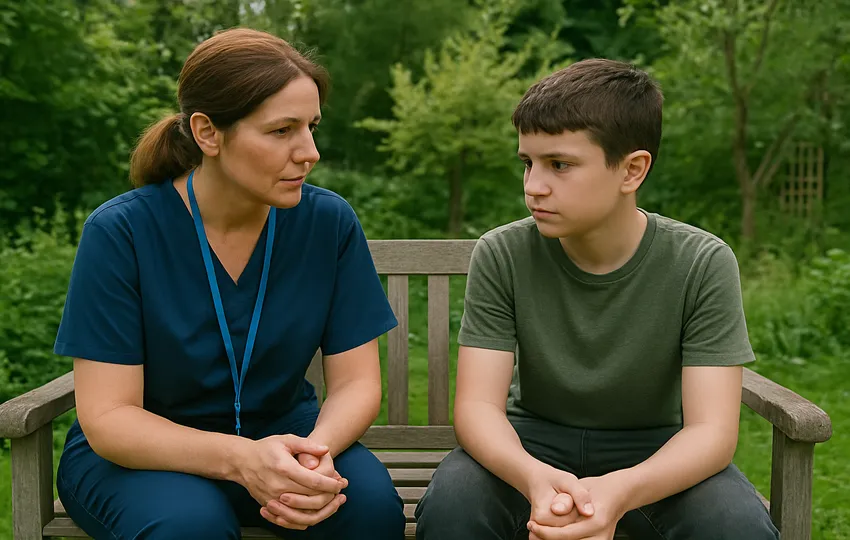
The words adults use when a child makes a disclosure shape what happens next. Supportive responses help a child feel heard; poorly chosen words can stop them from saying more, influence their account or make them feel blamed. Frontline staff should listen and record, not investigate or cross-examine.
Safer language is calm, open and clear about next steps. It acknowledges the child's feelings, avoids blame and makes limits to confidentiality plain. Harmful language sounds like disbelief, panic, minimising, leading questions or promises that cannot be kept.
Helpful and unhelpful responses
- Helpful: "Thank you for telling me."
- Helpful: "You have done the right thing."
- Helpful: "I may need to tell other adults so we can help keep you safe."
- Unhelpful: "Are you sure?" or "Why did you not say sooner?"
- Unhelpful: promises of secrecy, dramatic threats or detailed leading questions.
Children usually need adults to be clear and safe more than they need adults to say something clever.
Ask Dr. Aiden
Rate this page
Sign up now for a free account
Course tools & details

