
Slips, Trips, Falls, Ladders and Steps for Residential Care Staff

Preventing everyday floor, stair, access and low-height work injuries in adult social care

  • Reputation

    No token earned yet.

    Reach 50 points to earn the Peridot (Trainee Level).

  • CPD Certificates

    Certificates

    You have CPD Certificates for 0 courses.

  • Exam Cup

    No cup earned yet.

    Average at least 80% in exams to earn the Bronze Cup.

Launch offer: Certificates are currently free when you create a free account and log in. Log in for free access

Cleaning, spillages, floors and footwear
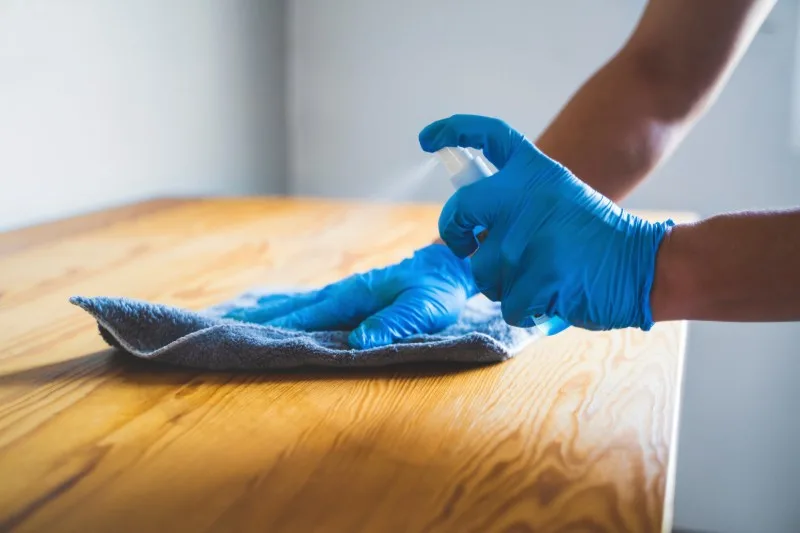
Person wiping wooden table with blue glove

Cleaning should reduce risk, not create one. In care settings spillages and contamination include water, drinks, food, urine, cleaning products, body fluids, mud, leaves, grease and talcum powder. Floors also become slippery when left damp after mopping or when the wrong product or method is used.

HSE guidance explains that signs and cones warn people about a hazard but do not prevent access. A damp, smooth floor can still be a slip risk even after a well-wrung mop has been used.

Kitchen Safety: Preventing Slips, Trips, and Falls (6 of 7) | WorkSafeBC

Video: 3m 4s · Creator: WorkSafeBC. YouTube Standard Licence.

This WorkSafeBC video uses commercial kitchen examples to show how slips, trips and falls are prevented in busy work areas. Chefs describe risks from rushing, poor footwear, wet or greasy floors, clutter, blind corners and carrying items through shared routes.

The practical advice is to slow down rather than run, because the extra seconds usually matter less than the injury risk. Deal with spills promptly, use warning signs for wet floors, and follow a regular cleaning schedule. Ask someone to help if a spill or hazard needs attention.

Footwear is part of the control system. New staff should have suitable oil-resistant, anti-skid shoes when the work requires them. The video links tidiness to safety: finish a task then clean up, keep walkways and aisles clear of boxes and clutter, and call out before moving around blind corners, especially when carrying items or pushing a trolley.

Was this video a good fit for this page?

Safe Management of Blood and Body Fluid Spillages HD

Video: 5m 31s · Creator: TheNHSEducation Supportweb. YouTube Standard Licence.

This NHS Education for Scotland animation explains how to manage blood and body fluid spillages in acute, community, care home and residential settings. Blood, faeces, vomit, sputum and other body fluids can carry blood-borne viruses such as hepatitis B or other microorganisms, so spillages should be cleaned and contaminated surfaces disinfected as soon as possible.

The animation sets out five steps: cordon off the spillage, assess the type of spillage, collect the correct equipment, protect yourself, and disinfect and clean. In one example, nurse Nura finds a small blood spill after a patient's needle becomes dislodged. She moves the patient away, places wet-floor notices, follows the algorithm, gathers chlorine-releasing granules, gloves, apron, paper towels, detergent and a healthcare waste bag, then disinfects, cleans, disposes of waste and performs hand hygiene.

A care home example shows Hardep finding a urine spill from a catheter bag. He places barriers, checks the algorithm and notes that chlorine-releasing agents should not be applied directly to urine because they can react and release chlorine gas. The examples demonstrate that the correct response depends on the type of fluid, the surface and the risk of splashing.

Was this video a good fit for this page?

Safer cleaning and spillage habits

  • Act quickly: spillages and contamination should be cleaned, isolated or reported without delay.
  • Keep people away where needed: barriers, locked doors, section cleaning or alternative routes may be needed until the floor is dry.
  • Use the right method: the correct product, amount, equipment and drying method matter.
  • Do not spread contamination: spot clean where possible instead of creating a larger wet area.
  • Think about footwear: staff footwear should suit the work and the floor risks, especially in kitchens, wet rooms and laundry areas.
  • Report repeated problems: recurring spillages, slippery flooring, poor drainage or persistently wet entrances need management action.

Care staff may not be responsible for every cleaning task, but they must respond safely when they find a hazard. That may mean staying with a spill while help arrives, warning others, moving a resident to a safer route, calling domestic staff, or reporting flooring that becomes slippery during normal use.

Scenario

A bathroom floor has been mopped after personal care. A wet-floor sign has been placed by the door, but the floor is still damp and a resident is asking to walk through to use the toilet urgently.

Why is the sign not enough?


Cleaning is a control only when it is done in a way that leaves the floor safer. Warning signs help, but they are not a substitute for controlling access and drying the floor.

Ask Dr. Aiden


Rate this page


Course tools & details Study tools, course details, quality and recommendations
Funding & COI Media Credits
