

Stairs, steps, entrances and outdoor routes
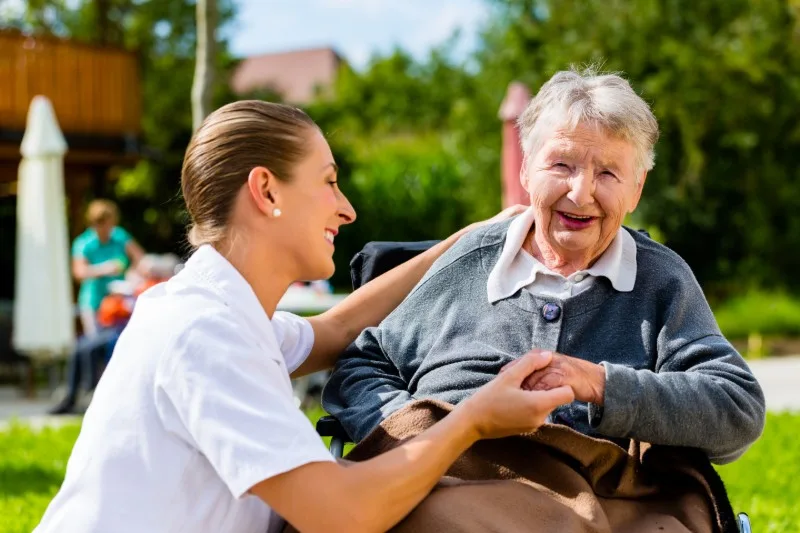
Stairs, entrance areas and outdoor routes need regular attention because conditions can change quickly. Rain, leaves, ice, mud, poor lighting, loose paving, worn nosings, missing contrast and inadequate handrails make familiar routes hazardous.
Stairs and internal steps
- Keep stairs clear: do not use stairs to store laundry, equipment, post, deliveries or cleaning items.
- Use handrails: encourage people to use them and report missing, loose or hard-to-grip rails.
- Watch contrast: unclear step edges, poor lighting or reflective surfaces make steps harder to judge, especially for people with poor vision or dementia.
- Report defects: loose nosings, worn carpet, damaged thresholds or unmarked level changes need prompt repair or temporary mitigation.
- Do not rush on stairs: carrying bulky loads, using devices or hurrying increases the risk of falls.
Entrances and outdoor routes
Entrances collect water, leaves, mud and grit. Outdoor routes may have uneven paving, slopes, poor drainage, moss, ice, bins, delivery cages or inadequate lighting. These hazards affect both staff and residents, particularly when residents go outside for activities, smoking, appointments, gardening or visits.
- Use mats properly: mats should trap dirt and moisture without curling, sliding or creating a raised edge.
- Control weather risks: report ice, snow, wet leaves, pooling water, moss and damaged paving so they can be cleared or treated.
- Keep routes lit: ensure entrances, car parks and garden paths have adequate lighting so small defects are visible.
- Plan assisted movement: residents using frames, wheelchairs or walking sticks may need more time, space and an alternative route.
Stairs, entrances and outdoor routes are changing hazards. Their safety depends on weather, lighting, cleaning, footfall and maintenance.
Ask Dr. Aiden
Rate this page
Sign up now for a free account
Course tools & details

