

Why slips, trips, falls, ladders and steps matter
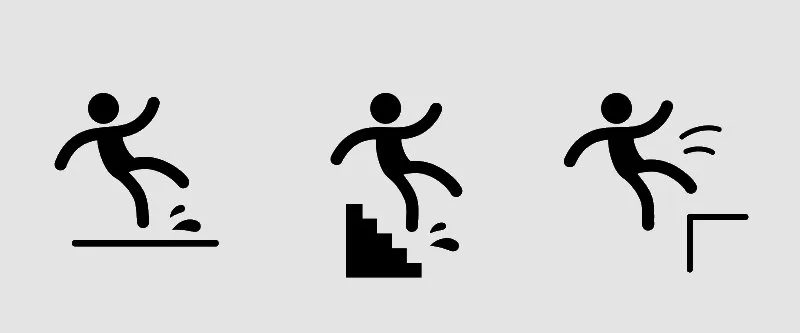
In care settings, slips, trips and falls affect staff and resident safety, dignity, confidence, staffing continuity and the smooth running of the home. A preventable fall can change a person's life in seconds.
HSE guidance for health and social care highlights that slips, trips and falls can seriously affect employees and people being cared for. Residents are often more vulnerable because of frailty, poor balance, reduced vision, dementia, delirium, medication effects, continence urgency or mobility problems.
Fall prevention in care homes
Same-level falls and low-height falls
This course covers two related risks. Same-level slips, trips and falls usually involve floors, routes, stairs, cleaning, clutter, footwear and environmental conditions. Low-height falls involve steps, stepladders, ladders or improvised access, typically when someone is reaching, storing, decorating, cleaning, checking equipment or trying to save time.
Everyone has a part to play
- Care staff: keep routes clear, notice changing risks, use equipment properly and report concerns.
- Domestic and housekeeping staff: clean in ways that reduce contamination without leaving uncontrolled wet-floor risk.
- Maintenance staff: repair defects, lighting, handrails, flooring, mats and access equipment promptly.
- Senior staff and managers: set safe systems, review incidents, provide equipment, supervise practice and act on repeated hazards.
- Everyone: challenge unsafe shortcuts kindly but clearly.
A safe care home is not one where nobody ever falls. It is one where avoidable hazards are noticed, controlled, reported and learned from.
Ask Dr. Aiden
Rate this page
Sign up now for a free account
Course tools & details

