

Inclusion, accessibility and reasonable adjustments in the role
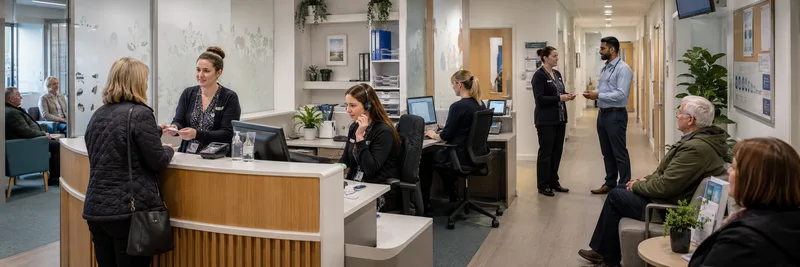
Fair access does not mean every patient uses the same route. Some patients need language support, accessible information, extra time, a carer, a quiet space, help with online forms, a different contact method or a reasonable adjustment because of disability, neurodivergence, hearing loss, learning disability or distress.
Reception and care navigation teams often spot access barriers first. They notice who struggles with the phone queue, cannot use an online form, misses text messages, cannot hear their name called, or becomes overwhelmed at the desk.
Practical inclusion checks
- Ask whether the patient needs support to communicate or access the appointment.
- Use interpreter routes rather than relying on children or unsafe informal translation.
- Record communication needs and reasonable adjustments in the agreed place.
- Offer non-digital routes where online access is not realistic or safe.
- Tell a manager when a process repeatedly excludes a group of patients.
An access route is only safe if patients who cannot use it have a realistic alternative.
Ask Dr. Aiden
Rate this page
Sign up now for a free account
Course tools & details

